International Day Of Awareness Of Food Loss And Waste: The Perspective Of Tavola Le Piazze And QB Cucina
- Farm To Table, Sustainable Living
International Day of Awareness of Food Loss and Waste, observed on 29 September, calls attention to a major challenge within today’s food systems. At Tavola Le Piazze and QB Cucina, reducing waste begins with a simple principle: respect ingredients, seasonality, local producers, and the land that makes every meal possible. At QB Cucina, this approach is expressed through a zero-waste philosophy and menus shaped by the harvest. Tavola Le Piazze follows the same commitment to regional sourcing and responsible hospitality. Here, thoughtful gastronomy connects food, farming, hospitality, and responsibility through considered everyday choices.
Why Does the International Day of Awareness of Food Loss and Waste Matter?
Food loss and waste affect food security, natural resources, climate, and the efficiency of global food systems. According to the United Nations, around 13 percent of food produced globally is lost between harvest and retail, while approximately 19 percent of food available to consumers is wasted across households, food service, and retail.
The International Day of Awareness of Food Loss and Waste encourages producers, businesses, restaurants, and individuals to reconsider how food is grown, purchased, prepared, served, and valued. Its message aligns with a considered approach to hospitality, where ingredients carry environmental, agricultural, cultural, and human value.
For Tavola Le Piazze and QB Cucina, awareness becomes meaningful when it informs daily choices. Seasonal menus, local relationships, careful preparation, and attention to quantities can support a more responsible food culture.
International Day of Awareness of Food Loss and Waste at QB Cucina
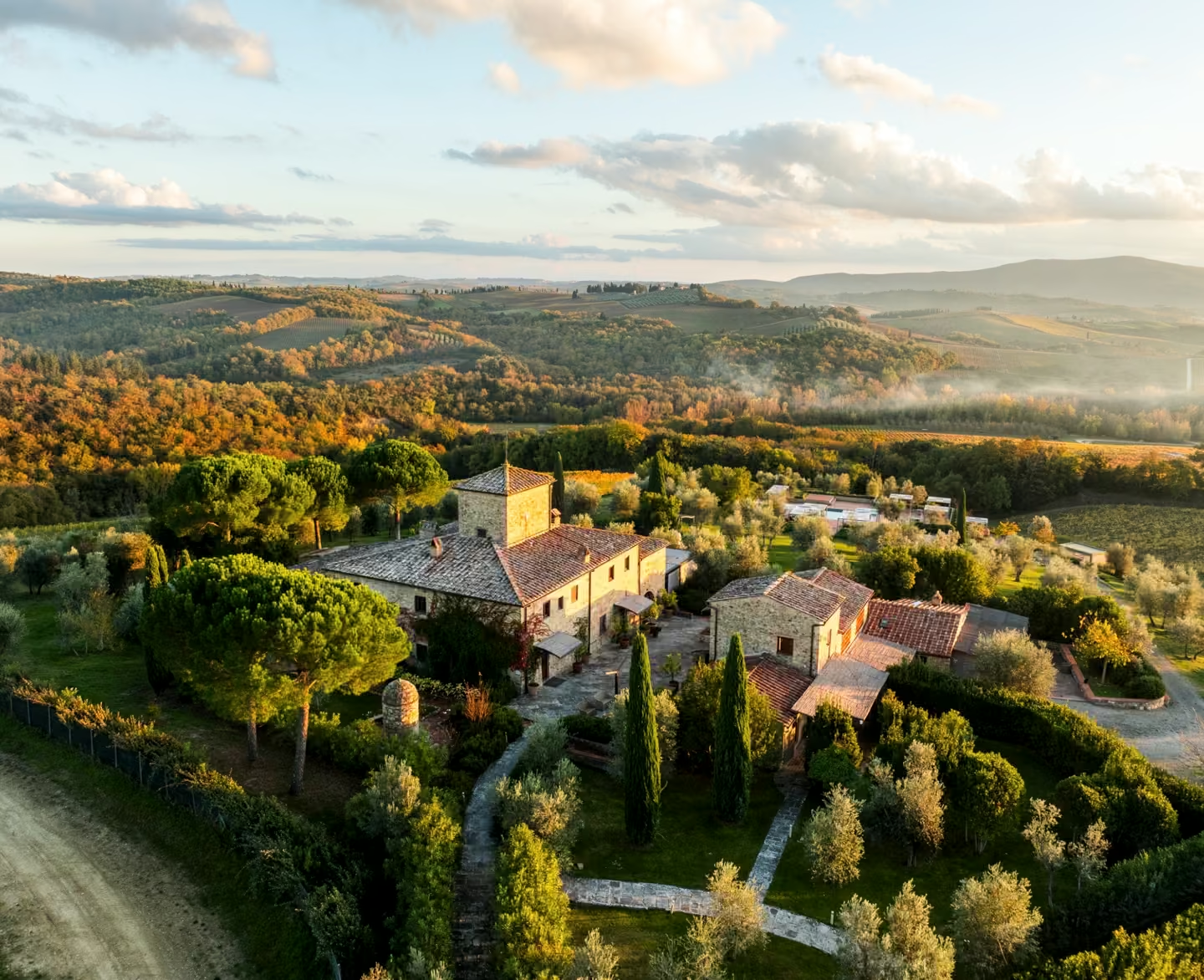
At One Belvedere Tuscany, QB Cucina is guided by the Italian expression “quanto basta,” meaning “as much as needed.” The idea reflects an instinctive way of cooking based on balance, restraint, and respect for ingredients.
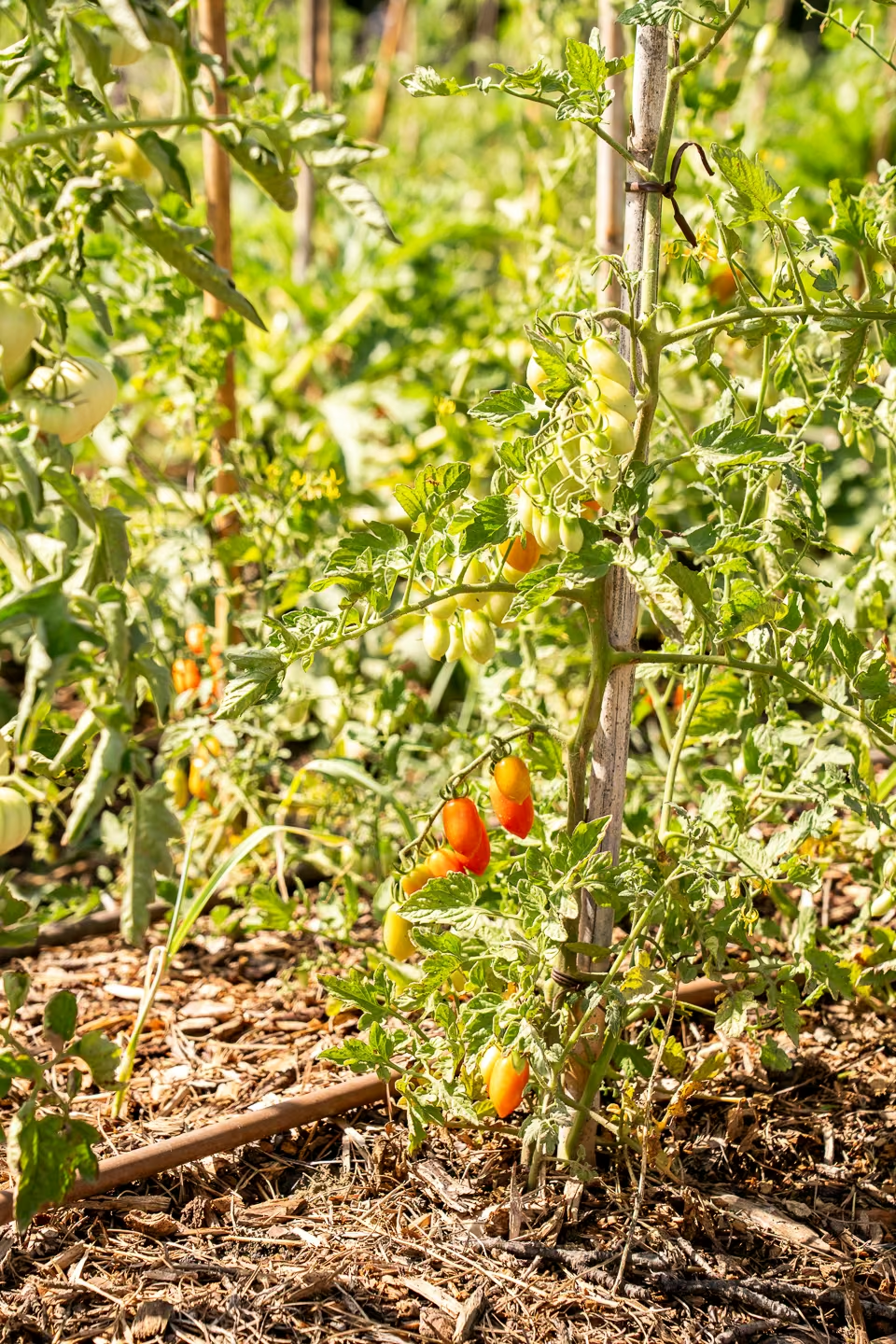
Chef Federico Viti and his team work with seasonal produce from the estate gardens and trusted organic local producers. More than 80 percent of ingredients used at QB Cucina come from the farm or carefully selected organic producers in the region. Eggs from free-range hens and honey from the estate’s bee colonies connect the kitchen to the surrounding agricultural landscape.
Menus change with the seasons and the harvest of the week. This allows the kitchen to respond to what the land provides rather than forcing ingredients into a fixed format. The zero-waste philosophy encourages thoughtful use, making sustainability part of the culinary process rather than an added message.
How Does Tavola Le Piazze Support a More Responsible Food Culture?
Tavola Le Piazze, located at Locanda Le Piazze, shares a commitment to local sourcing and thoughtful gastronomy. Around 60 percent of its ingredients come from the farm or trusted organic producers in the region, creating a close relationship between restaurant, producer, and place.
This approach matters because considered sourcing can support freshness, seasonal decision-making, and stronger relationships with nearby producers. It also encourages chefs to work with ingredients according to availability, quality, and natural rhythm.
Reducing food waste is not only about what happens after a meal. It begins earlier, with purchasing, menu planning, portion awareness, storage, and a clear understanding of available ingredients. Tavola Le Piazze demonstrates how responsible hospitality can be integrated into restaurant operations while preserving the generosity and refinement associated with Tuscan dining.
From Seasonal Ingredients to Circular Thinking
Food waste reduction becomes more effective when connected to the wider agricultural system. At One Belvedere Tuscany, regenerative agriculture, composting, local sourcing, biodiversity, and soil care form part of a broader sustainability approach.
On-site composting returns organic material to the gardens, supporting a more circular relationship between food and land. Seasonal produce from vegetable gardens and nearby farms helps kitchens work closer to natural availability. These practices do not eliminate every form of waste, but they create a structure in which resources are considered carefully from cultivation through consumption.
Hospitality can also influence guests. A well-prepared seasonal dish can communicate the value of ingredients without requiring explanation. Dining becomes an opportunity to experience what responsible sourcing, careful preparation, and respect for seasonality can look and taste like.
The International Day of Awareness of Food Loss and Waste reminds us that meaningful change depends on collective systems and everyday decisions. Tavola Le Piazze and QB Cucina offer practical examples of how restaurants can respond through seasonal sourcing, careful menu planning, regional relationships, and respect for ingredients.
Their approach reflects a wider commitment to responsible hospitality in Tuscany, where food, farming, and environmental stewardship are connected. Reducing waste is not a single action. It is an ongoing practice shaped by attention, accountability, and the belief that good food deserves to be valued at every stage.
Discover the seasonal dining philosophy of QB Cucina and Tavola Le Piazze, and experience a considered approach to Tuscan gastronomy rooted in local ingredients, responsible sourcing, and respect for the land.