Why Healthy Soil Creates Better Food, Better Wine and Better Hospitality
- Our Sustainable Farm (OSF)
Healthy soil is the foundation of better food, better wine and more responsible hospitality. At One Belvedere Tuscany, caring for the land connects what grows in the kitchen garden, how the vineyards express their terroir, and how guests experience the estate. Across the estate, agricultural activities form part of the guest experience, while Belvedere1 Winery’s documented vineyard practices include cover crops and green manure.
These practices form part of the winery’s approach to soil-focused vineyard management, alongside wider attention to water resources across the estate. The result is a connected approach in which agriculture, gastronomy, wine and hospitality share one purpose: caring for the land while creating meaningful experiences rooted in Chianti Classico.
Why Is Healthy Soil Important at One Belvedere Tuscany?
Healthy soil supports the living systems that make agriculture possible. At One Belvedere Tuscany, our sustainability approach includes attention to soil-focused agricultural practices and the long-term care of the land.
Within Belvedere1 Winery, documented vineyard practices include cover crops and green manure. Across the estate, gardens and other cultivated areas have different management and water needs. Established vineyards were managed without irrigation in 2025–2026, while approximately 2.8 hectares of newly planted vineyard areas received manual establishment watering.
This work is not separated from the wider sustainability philosophy. A carbon-footprint exercise undertaken with Azzera in 2023 forms part of the estate’s sustainability history, but does not represent ongoing estate-wide emissions measurement or a current formal Net Zero programme. Soil care remains part of a broader commitment to responsible land management, resource preservation and long-term environmental stewardship.
How Does Healthy Soil Support Better Food?
At QB Cucina, food is closely connected to land, season and availability. Ingredients come from the estate’s gardens alongside selected suppliers. The restaurant is proudly Deliciously Vegetarian, with menus shaped by vegetables, herbs, fruit and other seasonal ingredients, complemented by estate eggs and honey when available.
Healthy soil matters because the garden is part of this food system. Caring for the soil supports the conditions in which seasonal produce can develop. Rather than treating the garden as decoration, QB Cucina works with the harvest as it changes.
Lunch follows seasonal produce, while the gourmet dinner takes inspiration from the harvest and available ingredients. This creates a practical connection between farming and cooking. Ingredients are selected according to freshness and availability, with attention to reducing food waste while valuing simplicity, flavour and balance.
How Does Healthy Soil Shape Better Wine?
For Belvedere1 Winery, wine begins with the vineyard and the character of its soils. One Belvedere Tuscany has 10 hectares of vineyards across sea-shaped terrain in Castellina in Chianti. Marine sands, clay-rich earth, sea silt, river deposits and marl pebbles create distinct growing conditions across the estate.
These differences influence drainage, moisture retention, vine development and the character of the grapes. Marine-origin soils balance drainage and water retention. Clay-rich parcels retain moisture during dry summers, while river deposits and marl support drainage and even ripening.
Soil-focused vineyard management adds another layer to this relationship. Through practices such as cover crops and green manure, Belvedere1 Winery aims to care for vineyard soils and the conditions that allow each vineyard to express its place. Belvedere1 follows a minimal-intervention philosophy in the cellar, including spontaneous fermentation and unfiltered bottling, so the identity developed in the vineyard remains central to the wine.
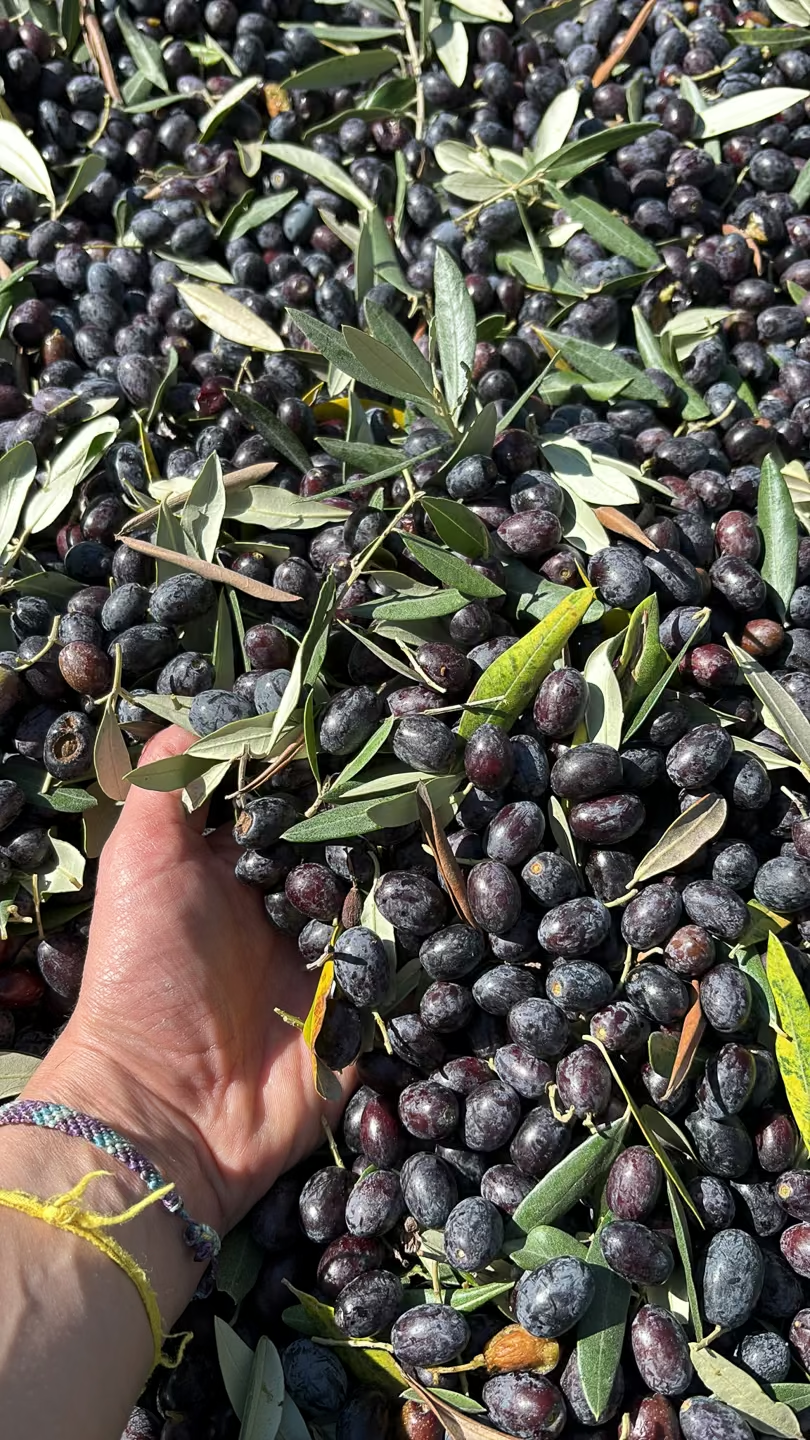
At One Belvedere Tuscany, hospitality is connected to the same land that produces vegetables, olives and grapes. Guests can encounter this relationship through seasonal dining, vineyard and cellar visits, garden walks, wine and olive oil tastings, cooking classes and time spent across the estate.
This makes sustainability visible rather than abstract. A meal at QB Cucina can reflect the week’s harvest. A wine tasting can explore how different soils influence vineyards. A garden visit can help guests understand how food production and care for natural resources connect within the estate.
The estate’s approach extends beyond farming. Attention to water stewardship, energy use, waste management and responsible hospitality practices forms part of its wider sustainability approach. Together, these considerations support understated luxury alongside thoughtful environmental care.
From Healthy Soil to Thoughtful Hospitality
Healthy Soil Connects the Whole Estate
Healthy soil creates better food, better wine and better hospitality because it connects what is grown, made, served and experienced. At One Belvedere Tuscany, soil-focused agricultural practices, including cover crops and green manure in Belvedere1 Winery’s vineyards, form part of this relationship alongside thoughtful resource management.
From the kitchen garden to the vineyards and from QB Cucina to guest experiences, the land provides the deeply shared foundation. Caring for it is reflected in the estate’s approach to seasonal gastronomy, wines with a clear sense of place and hospitality grounded in responsibility.
Experience One Belvedere Tuscany through the land itself, discovering how vineyard management, seasonal food and Belvedere1 wines come together across one refined, thoughtfully curated Tuscan estate.