The Story Behind Extra Virgin Olive Oil in Every Italian Kitchen
- Farm To Table
Extra virgin olive oil is more than a cooking ingredient in Italy. Italians use it to finish vegetables, dress salads, enrich soups, season bread, and bring balance to simple dishes. Its importance begins in the grove, where olive varieties, living soils, climate, harvest timing, and careful milling shape the final flavour.
Officially, extra virgin olive oil is the highest commercial grade of virgin olive oil. It must meet strict chemical and sensory standards, including free acidity of no more than 0.8 grams per 100 grams. Yet its place in an Italian kitchen is understood less through technical language than through freshness, aroma, texture, and the way a small amount can complete a meal. This same respect for quality and provenance inspires Amaya and Alya, the estate-produced extra virgin olive oils from One Belvedere Tuscany.
Why Is Extra Virgin Olive Oil Essential in Italian Kitchens?
Italian cooking often depends on a few good ingredients handled with care. Extra virgin olive oil supports that approach because it can cook, season, preserve, and finish food without masking its character. A peppery oil can sharpen beans or leafy greens. A softer, fruitier oil can complement tomatoes, bread, or delicate vegetables.
The flavour varies according to cultivar and place. Some oils suggest cut grass, artichoke, herbs, almond, or green fruit. Bitterness and a light peppery sensation are not faults. In fresh, well-made oil, they may indicate the presence of natural polyphenols and give structure to the palate.
This versatility explains why a bottle is kept close to the stove and carried to the table. It is used raw when its aroma should remain vivid, and in cooking when it needs to bind ingredients and add depth. The choice depends on the dish.
How Does Extra Virgin Olive Oil Go from Grove to Table?
Quality begins before the olives reach the mill. Healthy trees, living soils, biodiversity, and attentive harvesting all influence the fruit. Olives are then cleaned, crushed, mixed, and separated through mechanical processes. Speed matters because long delays after picking can reduce freshness and encourage oxidation.
At One Belvedere Tuscany, approximately 1,300 olive trees grow across five cultivars: Leccino, Frantoio, Moraiolo, Pendolino, and Maurino. The olives are handpicked and pressed within 24 hours, helping preserve their freshness, aromas, and natural polyphenols, with clarity, balance, and regional character.
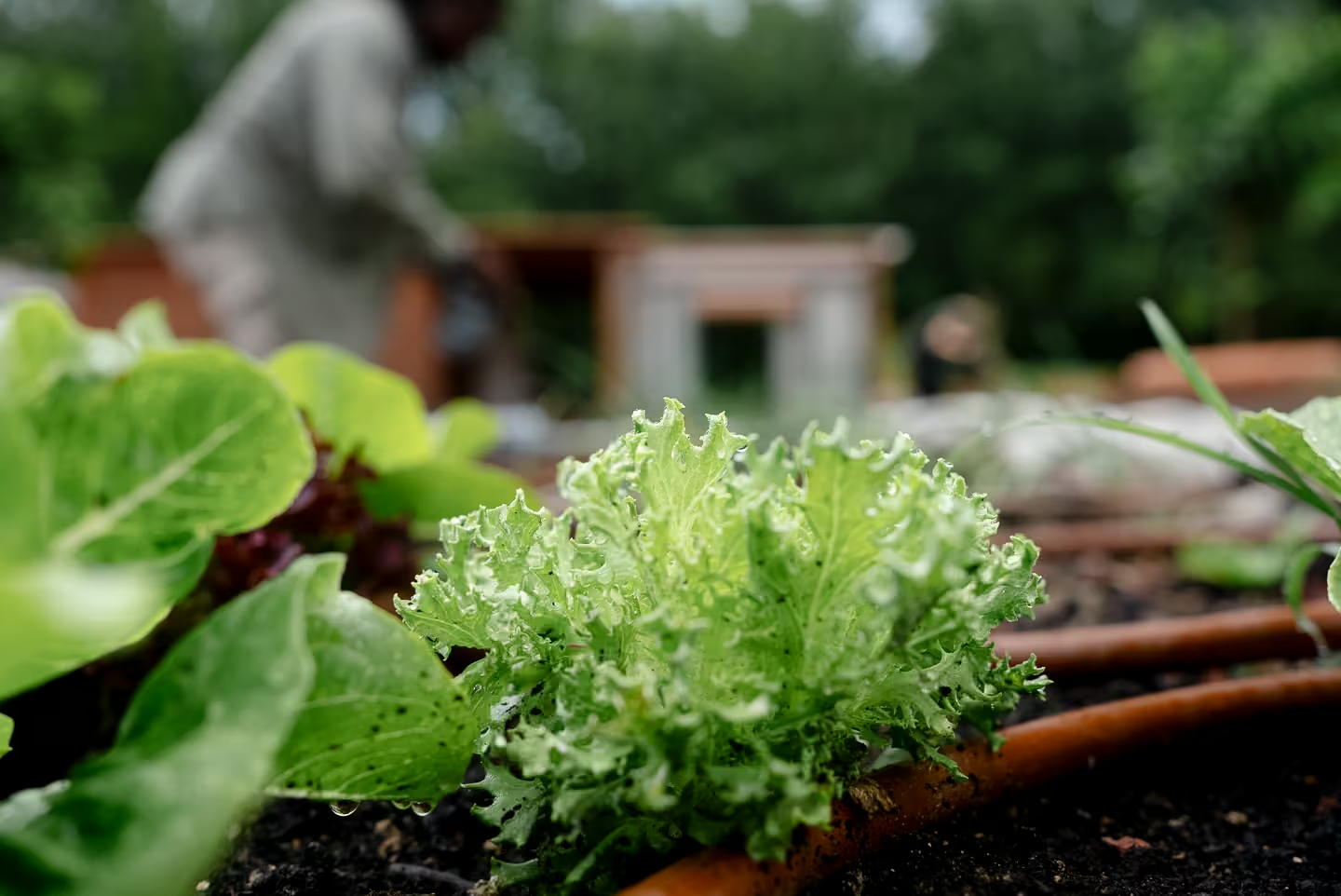
The groves remain grassed throughout the year, while green manure is sown in autumn. These practices reflect an approach to olive cultivation that pays attention to soil cover and responsible land management. Olive cultivation also connects with the estate’s wider approach to agriculture, gastronomy, and hospitality through thoughtful farming decisions and care for the land.
What Distinguishes Amaya and Alya?
Amaya is produced from young Frantoio, Pendolino, and Moraiolo trees grown on the estate. Early harvesting and cold extraction give it a fresh, balanced profile with notes of green olive, herbs, almond, and delicate pepper. Bright and versatile, it reflects the lively character of the Tuscan landscape.
Alya is the estate’s Chianti Classico DOP extra virgin olive oil, produced from Frantoio, Pendolino, and Moraiolo olives gathered from some of the property’s oldest trees. It is elegant and structured, with aromas of green olive, wild herbs, artichoke, and almond. Its low acidity, natural antioxidants, and layered character express the depth and identity of Castellina in Chianti.
What Makes a Good Extra Virgin Olive Oil?
A good oil should smell fresh and taste clean. It should not seem stale, musty, metallic, or rancid. A dark bottle or tin helps protect it from light, while a cool cupboard protects it from heat.
Labels also offer useful guidance. Harvest information, origin, producer details, and recognised geographical designations can help buyers understand where and how an oil was made. For everyday use, choose a robust oil for grilled vegetables, legumes, bruschetta, or hearty soups. Use a more delicate oil for fresh cheese, tender vegetables, or subtle sauces.
From the Estate to QB Cucina and Tavola Le Piazze
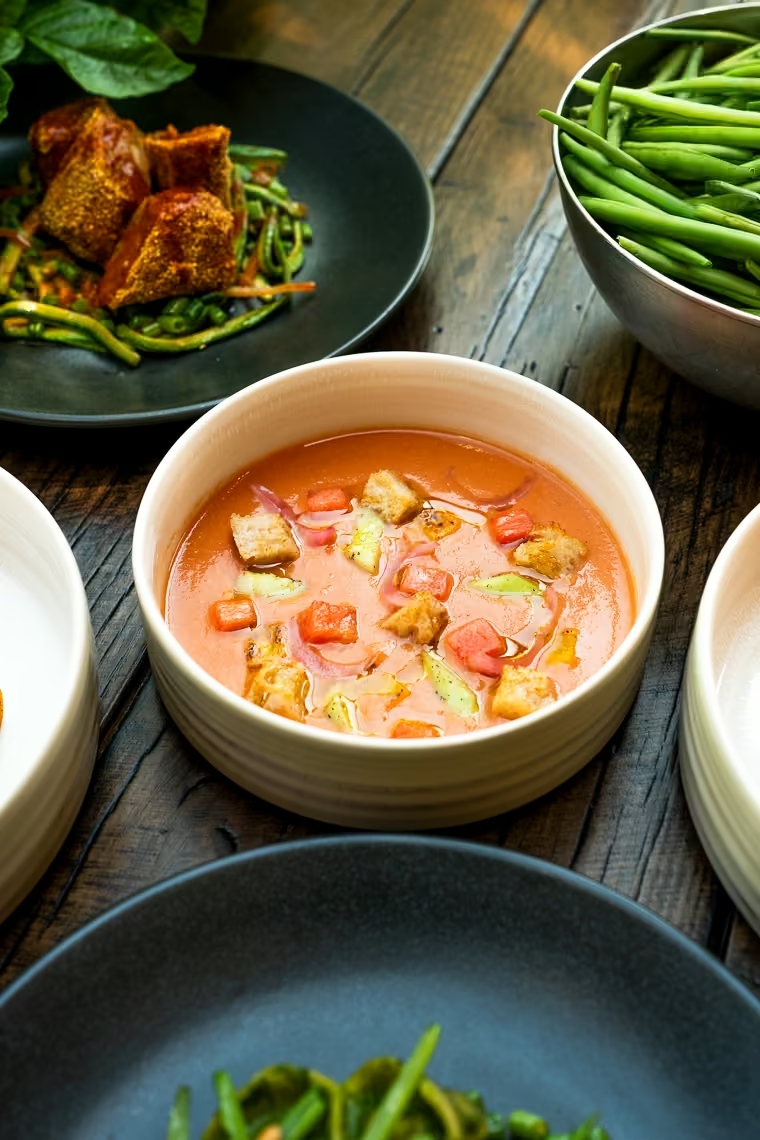
At QB Cucina, extra virgin olive oil belongs naturally within a deliciously vegetarian approach that includes efforts to reduce food waste. Chef Federico Viti’s seasonal menus highlight ingredients from the estate’s gardens alongside those sourced from selected suppliers. Oil connects ingredients without overwhelming them, supporting dishes shaped by vegetables, herbs, free-range eggs when available, and the week’s harvest.
At Tavola Le Piazze, formerly Tavola di Guido, estate olive oil supports a warm farm-to-table interpretation of Tuscan cuisine. Located at Locanda Le Piazze, the restaurant uses produce from nearby One Belvedere Tuscany Farm, creating a direct relationship between cultivated ingredients, thoughtful preparation, and the dining table.
The story of extra virgin olive oil begins with healthy trees, living soils, and careful harvesting, but it becomes meaningful through daily use. In Italian kitchens, it connects agriculture with flavour, tradition with seasonality, and simple cooking with informed choices.
Discover how One Belvedere Tuscany brings olive cultivation, mindful gastronomy, and Tuscan hospitality together through tastings, seasonal cuisine, and experiences rooted in the land.
- Farm To Table, Sustainable Living
- Farm To Table, Sustainable Living