Preparing the Soil for Spring at Belvedere1 Winery, Castellina in Chianti Classico
- Our Sustainable Farm (OSF)
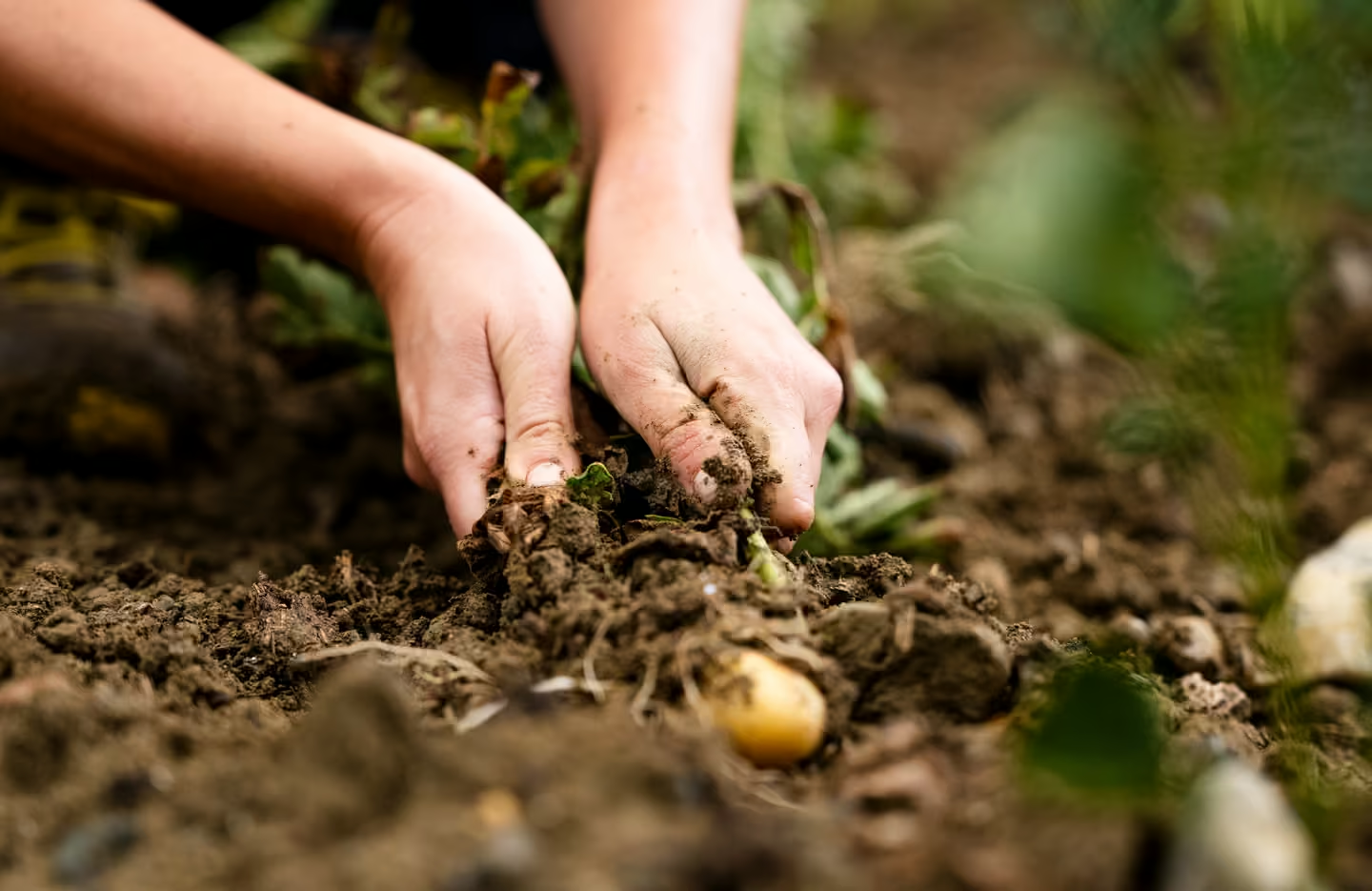
At Belvedere 1, the transition from winter to spring is one of the most delicate periods in the vineyard year. In Castellina in Chianti Classico, soil preparation begins well before budbreak. Rather than waiting for the vines to awaken, the estate works quietly beneath the surface, preparing the soil with intention and long-term care.
In Chianti Classico, great wine begins underground. Spring soil preparation is not a single intervention. It is a seasonal rhythm shaped by soil-focused vineyard practices and careful observation. Each decision made during winter forms part of the vineyard’s preparation for the growing season ahead.
Vineyard soil preparation in Chianti Classico
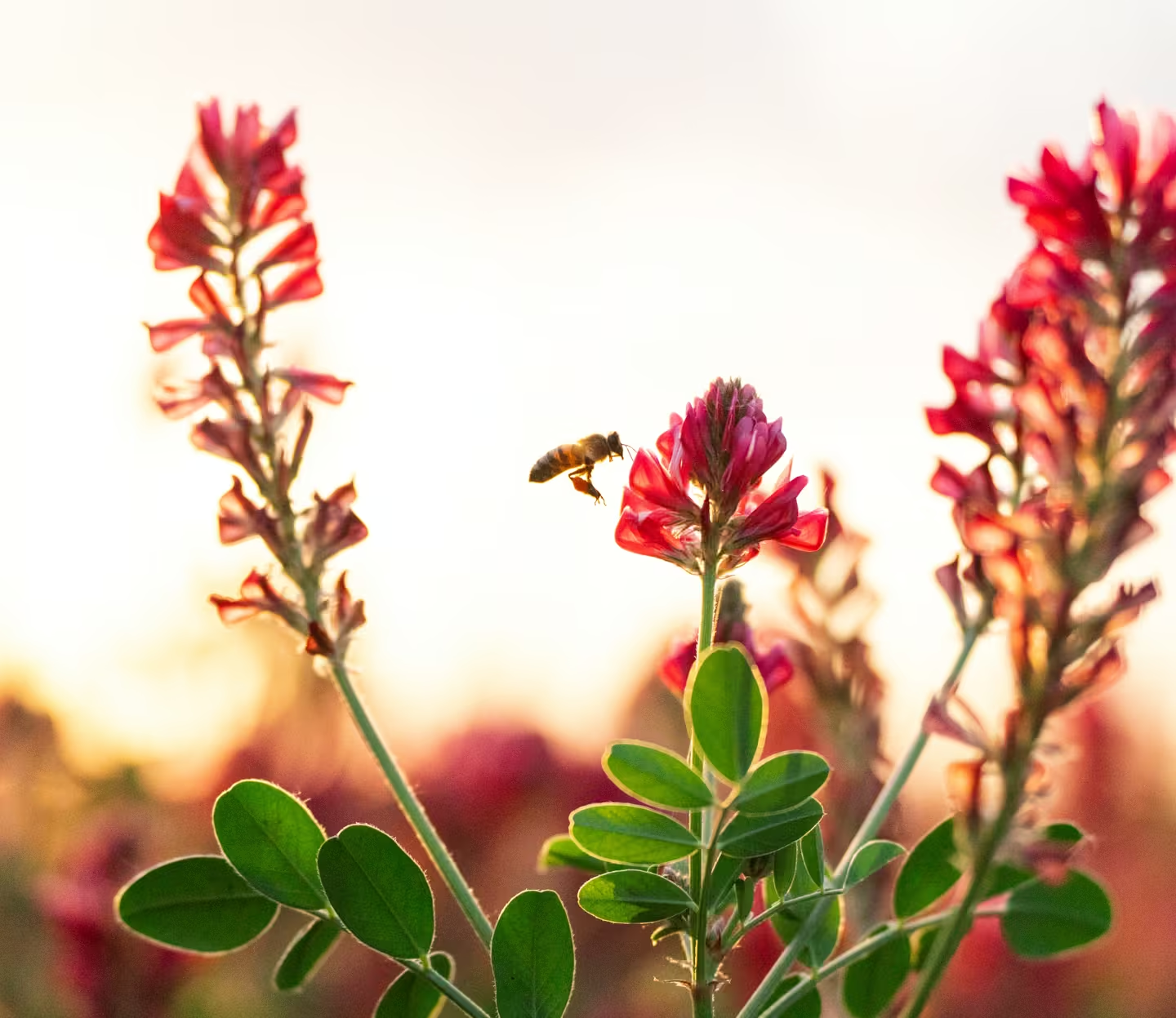
During the colder months, carefully selected cover crops are sown between the vine rows. These include legumes, grasses, and flowering plants. Each type is selected for its potential role in vineyard soil management.
Legumes can contribute to nitrogen fixation in the soil.
Grasses are used to provide soil cover and support soil management.
Flowering varieties can provide resources for beneficial insects.
These crops are chosen deliberately, based on the needs of the vineyard soil in Chianti Classico.
As spring approaches, these plants are gradually incorporated back into the earth in a controlled and mindful way. This process returns plant material to the soil as part of green manure management. When Belvedere1 prepares its vineyard soils for spring, the focus is on long-term soil stewardship rather than short-term fertility alone. The aim is to support the vineyard through careful management over successive seasons.
This seasonal preparation forms part of the vineyard’s annual cycle and its approach to caring for the land.
At Belvedere1 Winery, vineyard soil preparation is guided by seasonal observation and soil-focused management, including cover crops and green manure.
Cover crops play a central role in this approach. They:
• Can help protect the soil surface from erosion
• Provide ground cover during winter rainfall
• Can help retain soil moisture
• Contribute to nutrient cycling when incorporated as green manure
Composting is another essential practice.
As the harvest cycle progresses, grape pomace, skins, seeds, and stems are managed as part of the winery’s ongoing efforts to return organic materials to the land. The process takes time, allowing these materials to break down before their reintegration into the soil. This approach reflects an intention to make thoughtful use of winery residues across successive seasons.
To truly prepare Tuscany soil, patience is required. Soil health cannot be rushed or forced; it must be cultivated season after season through observation, precision, and respect for natural timing.
Sustainable Practices Followed
The Importance of Soil Health in Grape Quality
At Belvedere1 Winery, great wine begins underground. Caring for vineyard soils is an important part of the estate’s approach to growing grapes and making wine.
Vineyard soil management aims to support:
- Conditions for root development
- Balanced vineyard growth
- Adaptation to seasonal growing conditions
Soil structure, microbial activity, and the availability of water and nutrients are important considerations in vineyard management.
At Belvedere1 Winery, soil-focused practices, including cover crops and green manure, form part of the ongoing approach to caring for vineyard soils in Chianti Classico. These practices are intended to support growing conditions across successive seasons.
The relationship between the land, the growing season, and the character of each wine remains central to the winery’s philosophy.
Preparing the vineyard soil is not simply maintenance. It is part of the care and attention given to each growing season at Belvedere1 Winery.
Seasonal Challenges During the Transition
This year, the transition toward spring has been marked by unusually high rainfall. While winter precipitation is expected, the intensity and frequency of recent rains are not entirely typical for this period in Chianti Classico.
Climate patterns in the region have become increasingly unpredictable. Longer dry spells alternate with concentrated rainfall events, which can lead to soil saturation, increased erosion risk, and challenges in accessing vineyard parcels at the right time.
Cover crops provide ground cover between vineyard rows and can help protect exposed soil during periods of heavy rainfall. Adaptability remains essential. Preparing the soil today requires close monitoring, flexibility, and careful observation of evolving environmental conditions.
Composting and Vineyard Continuity
Some of the most meaningful work happens quietly, out of sight. As the harvest cycle progresses, grape pomace and other winery residues are managed as part of an ongoing process of returning organic materials to the land. The process requires time and attention as the materials are prepared for reintegration into the soil.
This approach to managing winery residues is part of how Belvedere1 Winery cares for its vineyard soils. It represents continuity, respect for natural cycles, and a commitment to thoughtful land stewardship across successive seasons.
Discover the Living Landscape of Belvedere 1
At Belvedere1 Winery, every season begins beneath the surface. Soil-focused vineyard practices and careful preparation for spring reflect a long-term commitment to caring for the land.
In many ways, preparing vineyard soils for spring is not just about agronomy. It is about stewardship. The decisions made during this period form part of the vineyard’s preparation for the growing season ahead and reflect our dedication to cultivating wines that truly express the spirit of Belvedere1 Winery.
Experience the vineyard at One Belvedere Tuscany, here.