Farm-To-Table Vs Farm-To-Fork: What’s The Difference And Why Does It Matter?
- Farm To Table
Farm-to-table vs farm-to-fork describes two related ways of connecting food with the place where it is grown. Farm-to-table usually focuses on restaurants and hospitality, where ingredients move directly from farms to kitchens and dining tables. Farm-to-fork is broader. It can describe the entire food journey, including farming, processing, transport, retail, preparation, and consumption. In practice, both approaches support fresher ingredients, shorter supply chains, seasonal eating, stronger local economies, and greater transparency.
The difference matters because language shapes expectations. A farm-to-table restaurant may highlight estate-grown produce and trusted nearby suppliers. A farm-to-fork system asks wider questions about how food is cultivated, handled, distributed, prepared, served, and valued. Understanding both terms helps diners make more informed choices and encourages hospitality businesses to communicate their sourcing practices with clarity.
The Difference Between Farm-to-Table vs Farm-to-Fork
Farm-to-table is most often associated with dining. It describes a direct relationship between growers, chefs, and guests, with an emphasis on local sourcing, freshness, and seasonality. The distance between the field and the plate is reduced, allowing ingredients to be used closer to harvest and menus to respond naturally to the time of year.
Farm-to-fork includes this relationship but extends beyond the restaurant. It considers every stage between agricultural production and consumption. This may include harvesting, storage, processing, packaging, transport, retail, kitchen practices, waste management, and the final dining experience.
The terms are sometimes used interchangeably, and their values often overlap. However, farm-to-table communicates a focused culinary experience, while farm-to-fork describes a more complete food system. One is usually centred on the dining table. The other follows the ingredient through its full journey.
Why Does Farm-to-Table vs Farm-to-Fork Matter?
Both approaches encourage transparency. Guests increasingly want to understand where ingredients come from, how they are grown, and why certain dishes appear only during particular seasons. Clear sourcing helps create trust and gives each meal a stronger connection to place.
Shorter supply chains can also support freshness and reduce unnecessary handling. When chefs work closely with growers, they can plan menus around what the land provides rather than demanding the same ingredients throughout the year. This approach respects natural rhythms and can reduce waste because produce is selected with a clear purpose.
Farm-to-fork thinking adds another level of responsibility. It considers not only sourcing but also energy, water, transport, packaging, preparation, and disposal. This wider view encourages businesses to examine the environmental and social impact of the complete food experience.
From Regenerative Soil to the Table at One Belvedere Tuscany
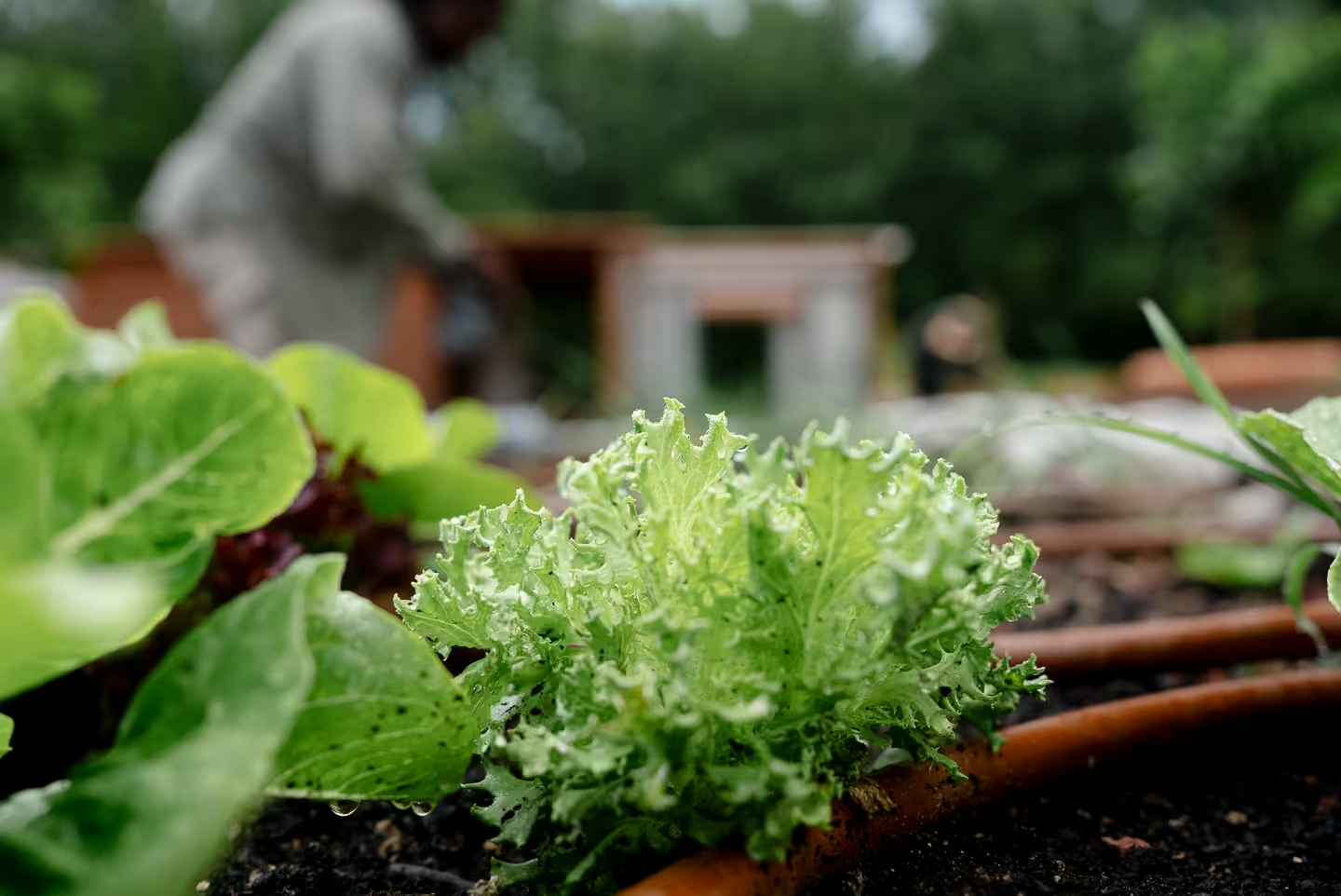
A thoughtful food journey begins before a guest enters the restaurant. It starts with healthy soil, careful cultivation, seasonal planning, and respectful partnerships with producers. These foundations influence flavour, quality, variety, and the story behind every ingredient.
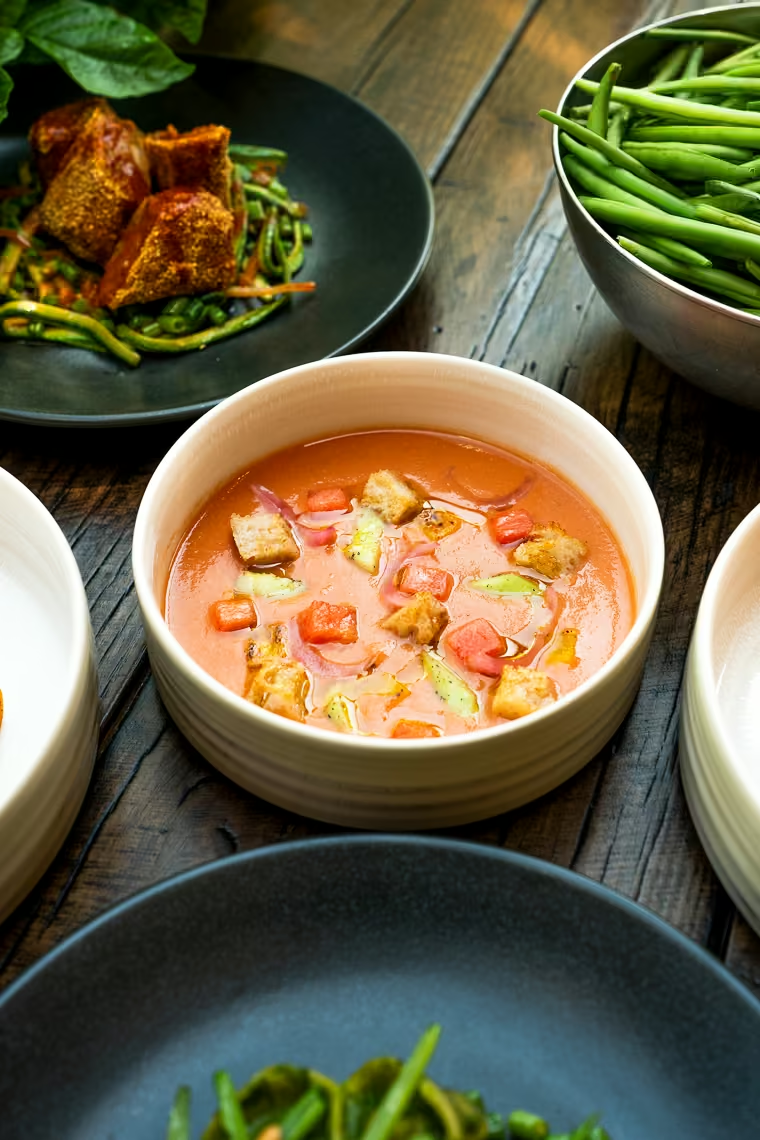
At One Belvedere Tuscany, the relationship between land and table is central to the estate’s approach. Regenerative agriculture is used to restore soil health and nurture biodiversity, while QB Cucina creates vegetarian menus guided by the estate’s gardens, seasonal harvests, and trusted regional producers. This reflects farm-to-table dining within a broader farm-to-fork philosophy.
For guests, the result is not simply a fresher meal. It is a more meaningful understanding of how agriculture, gastronomy, and hospitality can work together. Seasonal menus can introduce ingredients at their natural best, while direct relationships with growers allow chefs to respond creatively to availability. The dining experience becomes more transparent, considered, and connected to the landscape.
What Should Guests Look for Beyond the Label?
The words farm-to-table and farm-to-fork are valuable, but they should be supported by clear practices. Guests can look for menus that change with the seasons, named farms or regional suppliers, estate-grown ingredients, responsible waste policies, and honest information about sourcing.
They can also consider whether a restaurant measures its environmental impact, supports biodiversity, reduces unnecessary packaging, and works to conserve water and energy. A credible approach should extend beyond attractive language and become visible in daily decisions.
Not every ingredient can come from the nearest farm, and responsible hospitality should not pretend otherwise. Transparency is more meaningful than perfection. Businesses that explain what they grow, what they source locally, and where improvement is still needed create a stronger foundation for trust.
Farm-to-table vs farm-to-fork is not a competition between two ideas. Farm-to-table brings attention to the relationship between farms, chefs, and diners. Farm-to-fork examines the complete system that carries food from cultivation to consumption. Together, they encourage seasonal eating, local partnerships, responsible operations, and a deeper respect for the land.
Understanding the distinction helps guests recognise genuine commitment and helps hospitality businesses communicate their practices accurately. When both principles are applied with care, dining becomes more than a plate. It becomes part of a thoughtful, transparent, and regenerative food culture.
Discover how One Belvedere Tuscany connects regenerative agriculture, seasonal ingredients, and considered hospitality through its farm, winery, and dining experiences.
- Farm To Table, Sustainable Living
- Farm To Table, Sustainable Living