What Grows In Tuscany In November? Inside One Belvedere’s Kitchen Garden
- OSF Orto
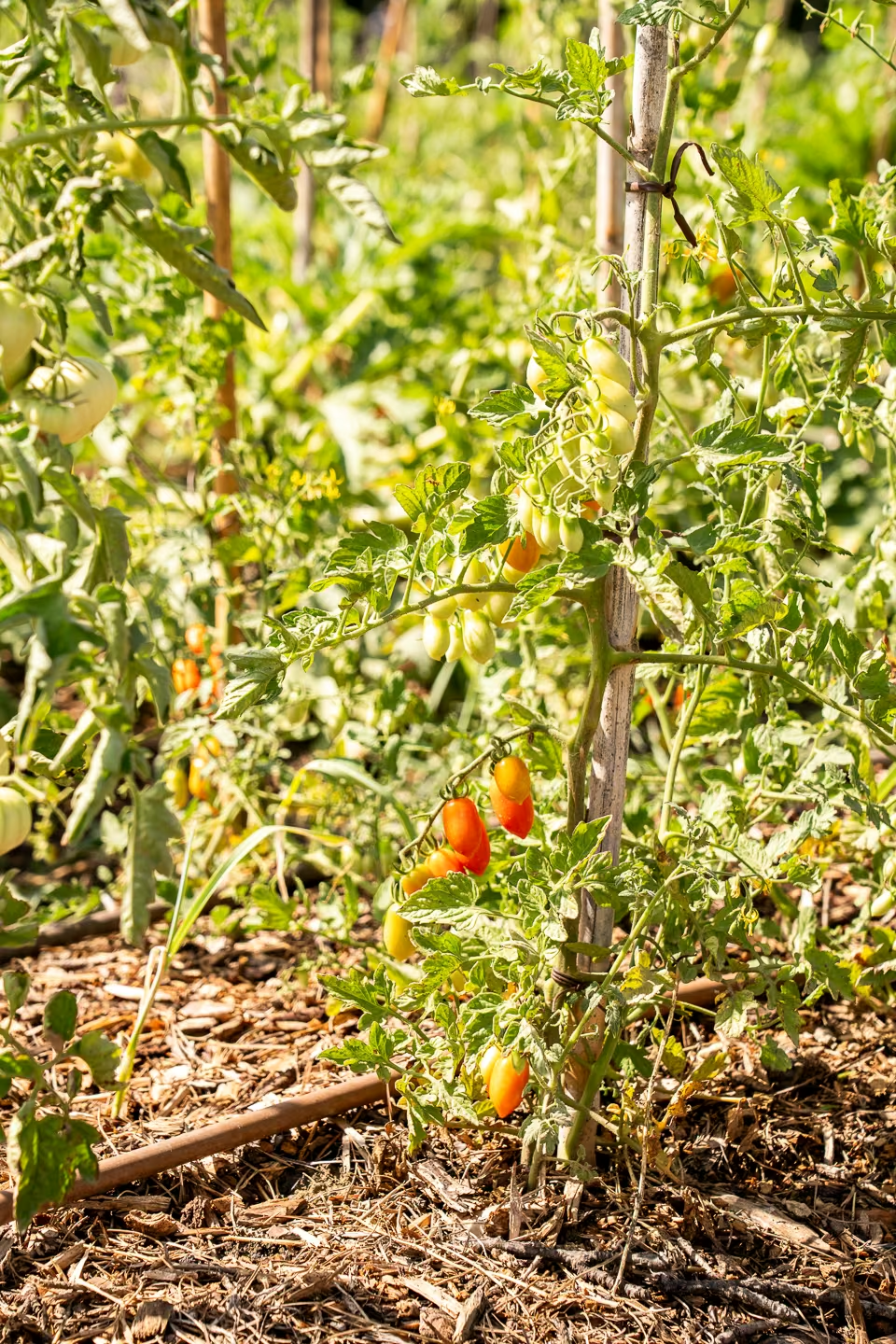
November brings a different kind of abundance to the Tuscan countryside. If you are wondering what grows in Tuscany in November, the answer includes broccoli, cauliflower, fennel, leeks and cavolo nero, the dark leafy kale associated with traditional ribollita. At One Belvedere Tuscany, our kitchen garden also enters a season of planting and thoughtful soil care. We sow field beans for green manure, plant garlic, onions, broad beans and peas, and spread straw mulch across the beds.
The November kitchen garden holds two stories at once: today’s harvest and tomorrow’s crops, each shaped by observation, timing and the changing Tuscan season. Set among the hills of Castellina in Chianti, between Florence and Siena, our estate connects food, hospitality and the working landscape.
Exploring the November Harvest in Our Kitchen Garden
In our kitchen garden, November harvests include broccoli, cauliflower, fennel and leeks. These cool-season vegetables bring variety to the table when the days become shorter and the air turns cooler. Fennel offers a fresh, gently aromatic note, while leeks bring a soft, savoury depth to slowly cooked dishes. Broccoli and cauliflower lend themselves to straightforward preparations that respect their individual textures.
Cavolo nero deserves particular attention. Known internationally as Tuscan kale, its long, dark leaves are a familiar part of the region’s food traditions. It is an essential ingredient in ribollita, the comforting Tuscan soup traditionally made with vegetables, beans and bread.
A November harvest is not identical every year. Weather, rainfall and the condition of the beds influence the timing and quantities available. For us, following these changes is part of working with the garden, not an interruption to its rhythm.
What Is Planted for Winter and Spring?
November is also a planting month. Our team puts onions, garlic and aglione, often called elephant garlic, into the soil. Broad beans and peas are planted too. Rather than offering an immediate harvest, these crops remain in the ground through the colder months, with growth expected to become more visible as March approaches.
A freshly planted bed may appear quiet, yet it represents a clear decision about the months ahead.
There is another important November task: sowing field beans, known locally as favino, as a green manure crop. These are grown for the soil rather than for a direct kitchen harvest. In spring, the plants are incorporated into the ground before summer vegetables such as zucchini and tomatoes are planted. This is one of the specific soil-focused practices used by our garden team, connecting the autumn calendar with the next growing season.
What Grows in Tuscany in November: Caring for the Soil
At One Belvedere Tuscany, the work of the kitchen garden includes what happens between harvests. During November, our team spreads straw mulch over the vegetable beds. This covering helps buffer sudden changes in soil temperature and provides a more sheltered environment for soil inhabitants, including earthworms.
Mulching is a modest, practical action. Attention to the soil sits alongside planting, harvesting and observing the weather.
Field beans grown for green manure form another part of this seasonal approach. Their planned incorporation in spring is a deliberate step in preparing beds for later crops. These practices belong to our garden calendar, with each task guided by the season and the attentive observation of our dedicated team. It is an approach grounded in careful work and respect for the agricultural traditions of Tuscany.
From Kitchen Garden to QB Cucina
The connection between garden and table shapes the food experience at One Belvedere Tuscany. At QB Cucina, our premier fine-dining vegetarian restaurant led by Chef Federico Viti, the kitchen draws on the estate’s gardens alongside ingredients sourced from selected suppliers. Menus follow the season and the ingredients available, rather than promising the same dishes throughout the year.
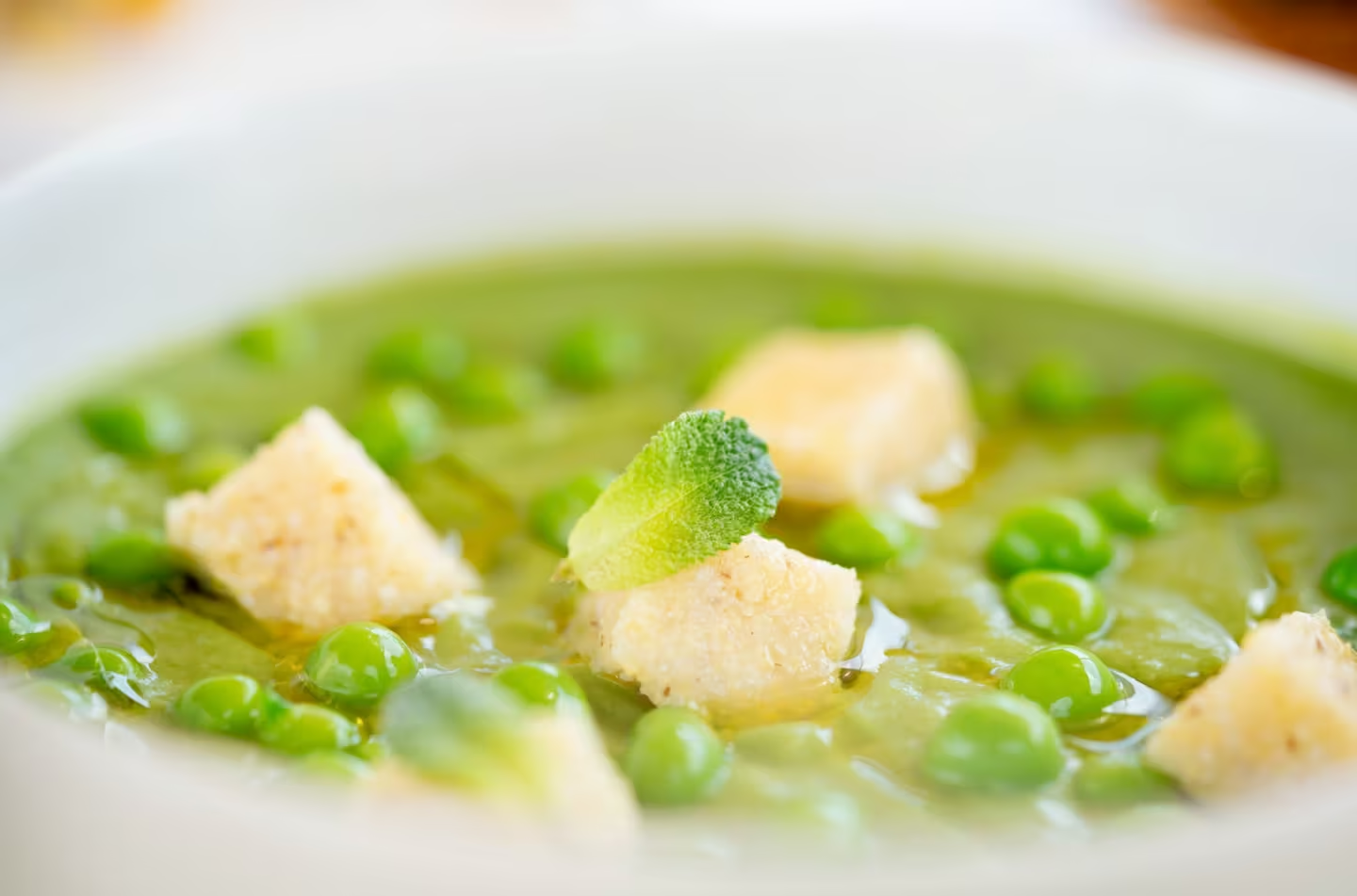
November vegetables offer many possibilities: fennel prepared simply, leeks cooked until tender, or cavolo nero incorporated into a warming soup inspired by Tuscan tradition. These are examples of seasonal cooking, not a fixed November menu. What matters is the attention given to each ingredient and the care taken to reduce avoidable food waste.
For guests, the garden offers context for a meal. Seeing what is harvested, what has just been planted and what is resting beneath straw makes the seasonal nature of Tuscan cuisine easier to appreciate. It also reminds us that good food begins well before a dish reaches the table.
Understanding what grows in Tuscany in November means looking beyond the harvest. Broccoli, cauliflower, fennel, leeks and cavolo nero share the month with garlic, onions, peas, broad beans, green manure and protective mulch. Together, these activities show how our team cares for the garden across changing seasons.
Discover the garden, seasonal food and the rural experiences of One Belvedere Tuscany. Explore our estate and QB Cucina to plan a visit shaped by the rhythms of Chianti.