Chianti Classico Olive Oil: How It Is Traditionally Produced in Tuscany
- Our Sustainable Farm (OSF)
Chianti Classico olive oil is closely tied to the landscape it comes from, shaped by the same rhythm that defines daily life in Chianti. At One Belvedere Tuscany, olive oil production in Tuscany is not treated as a separate process, but as part of a wider way of living, grounded, attentive, and guided by the land itself. What defines the work here is not scale, but the quiet consistency with which each step is carried out.
Olive Grove Care in Tuscany for Chianti Classico Olive Oil
The work begins in the groves, well before harvest. The olive trees are maintained through seasonal care and pruning. At Belvedere1 Winery, 4.8514 hectares of olive-growing land are in organic conversion, with the conversion period scheduled to end on 16 January 2028.
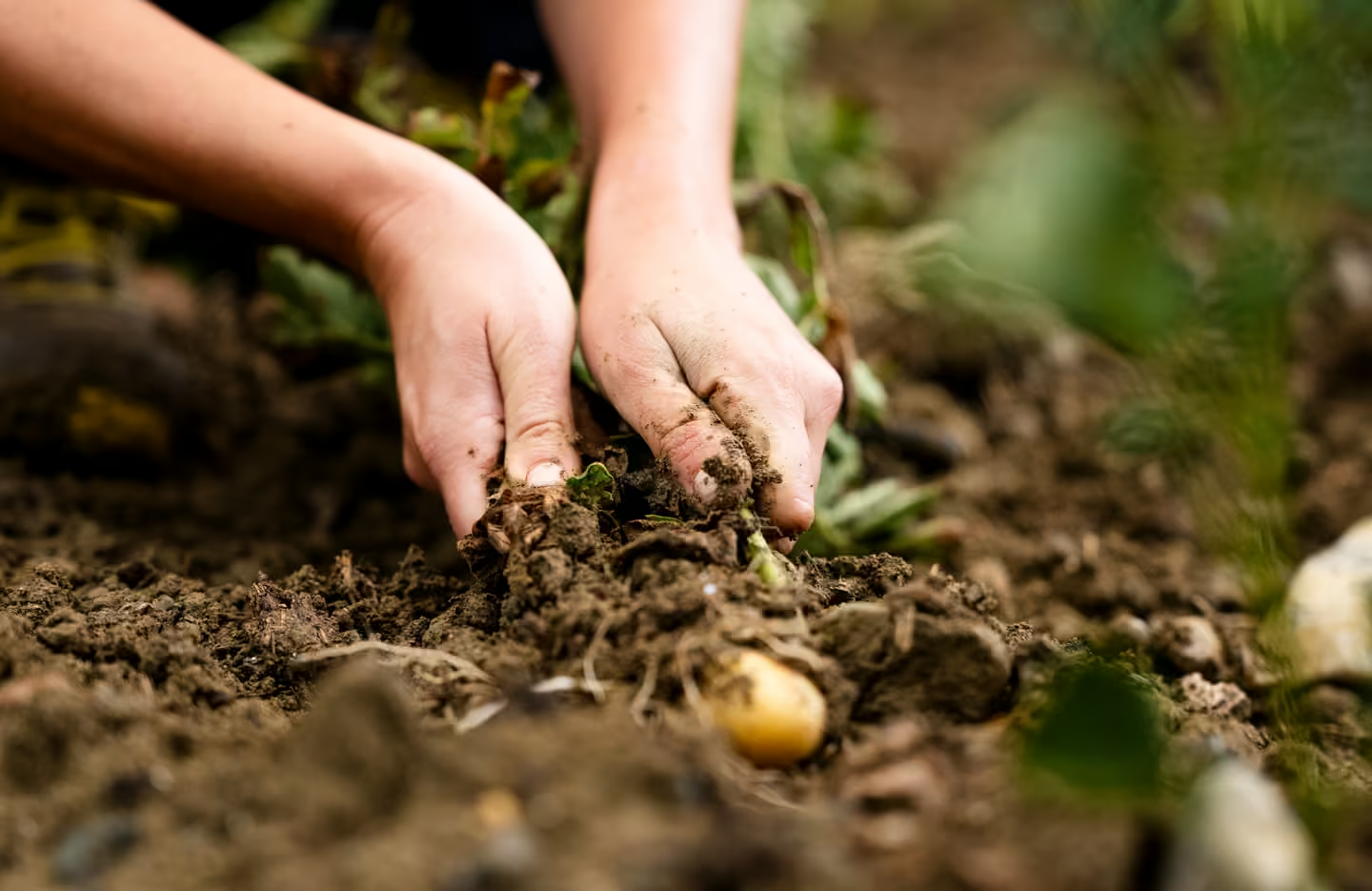
Each tree is pruned by hand, allowing light and air to move naturally through the branches, keeping the trees open and balanced. This careful attention supports both the structure of the tree and the quality of the fruit. The pace remains steady and intentional, following the natural rhythm of the seasons.
Harvest typically takes place between October and November, depending on climate conditions and fruit maturity. The timing is considered closely, as it directly shapes the character of the oil.
Olives are picked while still slightly green, when their aroma is fresh and clearly defined. All harvesting is done by hand, in a process that remains quiet and deliberate. Only healthy olives are selected, preserving quality from the very beginning.
When Olive Harvest Takes Place in Chianti for Olive Oil Production in Tuscany
From Harvest to Mill in Olive Oil Production in Tuscany
Once harvested, the olives are transported immediately to the mill. This step is essential to prevent oxidation and maintain the natural freshness of the fruit. The transition from grove to mill is kept as short as possible, allowing the oil to retain its clarity, aroma, and structure.
Timing plays a defining role in olive oil production in Tuscany, where even small delays can influence the final result.
The oil is extracted using traditional cold-pressing methods, without the use of heat or chemical intervention. The olives are gently crushed, and the oil is separated mechanically, preserving both flavor and nutritional qualities.
This stage defines much of the oil’s identity. The result is clean and structured, with a profile that reflects both the fruit and the conditions in which it was grown.
Cold Extraction in Olive Oil Production in Tuscany
Alya and Amaya: Two Expressions of Chianti Classico Olive Oil
At One Belvedere Tuscany, olive oil is presented through two distinct expressions: Alya and Amaya.
Alya is a Chianti Classico DOP olive oil, produced under strict regional standards that ensure origin and authenticity. It comes from the estate’s oldest olive groves and reflects a more settled and refined expression of the land.
Amaya comes from younger trees, including some located just outside the Chianti Classico denomination. It represents a more recent phase of cultivation, offering a profile that is more direct and vibrant.
Together, they reflect the diversity of the estate, different stages of growth shaped by the same approach.
The Character and Taste of Chianti Classico Olive Oil at One Belvedere Tuscany
The olive oil at One Belvedere Tuscany reflects a hands-on and natural approach, shaped by both historic groves and newer plantings. This balance allows for a more layered identity, rather than a standardized result. Attention is given at every stage, ensuring that each oil remains closely connected to the land it comes from.
This is evident in the way each oil expresses its profile. Alya offers a refined and balanced structure, with fresh herbal notes and hints of green almond, leading into a clean and structured finish. Its bitterness and spiciness are present but measured, reflecting the maturity of the older trees.
Amaya is more vibrant and direct, with brighter notes of fresh grass and artichoke, followed by a more pronounced peppery finish that lingers lightly. This reflects the energy of younger groves and a different stage of cultivation.
Together, they present two distinct expressions of Chianti Classico olive oil, shaped by the same methods but defined by the character of the groves.
How Guests Experience Olive Oil at One Belvedere Tuscany
Olive oil is part of how guests experience the estate, from tastings to the first moments at the table. During tastings, it is presented in professional glasses with lids, allowing guests to focus on aroma before tasting.
It is also included within wine experiences, offering a more complete understanding of the estate. At QB Cucina, the oil is served at the beginning of the meal with bread and focaccia, allowing guests to experience it immediately, simply and without introduction.
The experience remains simple and direct, allowing guests to engage with the oil without unnecessary intervention.
Olive oil production in Tuscany is shaped by timing, care, and consistency. At One Belvedere Tuscany, these principles guide each stage of the process, allowing the oil to remain a clear reflection of the land.
Through Alya and Amaya, the estate presents two distinct expressions of Chianti Classico olive oil, each shaped by the same approach while reflecting different stages of cultivation.
To experience Chianti Classico olive oil in its natural setting, you are welcome to visit One Belvedere Tuscany. Spend time in the groves, follow the process closely, and taste the oil as part of the landscape it comes from, in a way that feels natural and unforced.