Photographing One Belvedere Tuscany: A Guide to Looking Beyond the Panorama
- Lifestyle, Sustainable Living
Photographing One Belvedere Tuscany during your stay is about more than capturing the rolling hills. Some of the most memorable images come from the details you notice along the way: sunlight through olive branches, the curve of a vineyard row or freshly picked ingredients on your plate. Located in the municipality of Poggibonsi, near Castellina in Chianti, the estate brings together vineyards, olive groves, orchards, gardens, forest paths and thoughtfully designed spaces. To photograph it well, look beyond distant views. Notice how light moves across leaves, how vineyard rows follow the terrain and how agricultural details reveal the character of this working estate.
This approach does not require specialist equipment. A camera or smartphone and a little time to explore are enough to capture the places and moments you want to remember.
What Makes Photographing One Belvedere Tuscany Unique?
One Belvedere Tuscany extends across 50 hectares, bringing agricultural landscapes and rural hospitality together within one setting. Its ten hectares of vineyards offer more than sweeping views. Repeating rows, changing foliage and the textures of the soil give you different subjects to photograph throughout the seasons.
Begin with a wide photograph to establish the setting. Then move closer to the vines, observing leaves, tendrils, posts and the spaces between rows. Try framing the same subject from standing height and a lower viewpoint. Small changes in position can make the relationship between land and cultivation apparent.
The olive groves offer a different mood. Look for sunlight catching the silvery leaves, shadows falling across a trunk or branches framing the landscape. These quieter details can make your photographs feel more personal than another postcard view.
Where Should You Look Beyond the Tuscan Panorama?
Before setting out, ask our team which areas are accessible during your visit.
A photography walk can begin in the gardens, continue through the cultivated areas and finish along a forest path. Each setting rewards a different kind of attention.
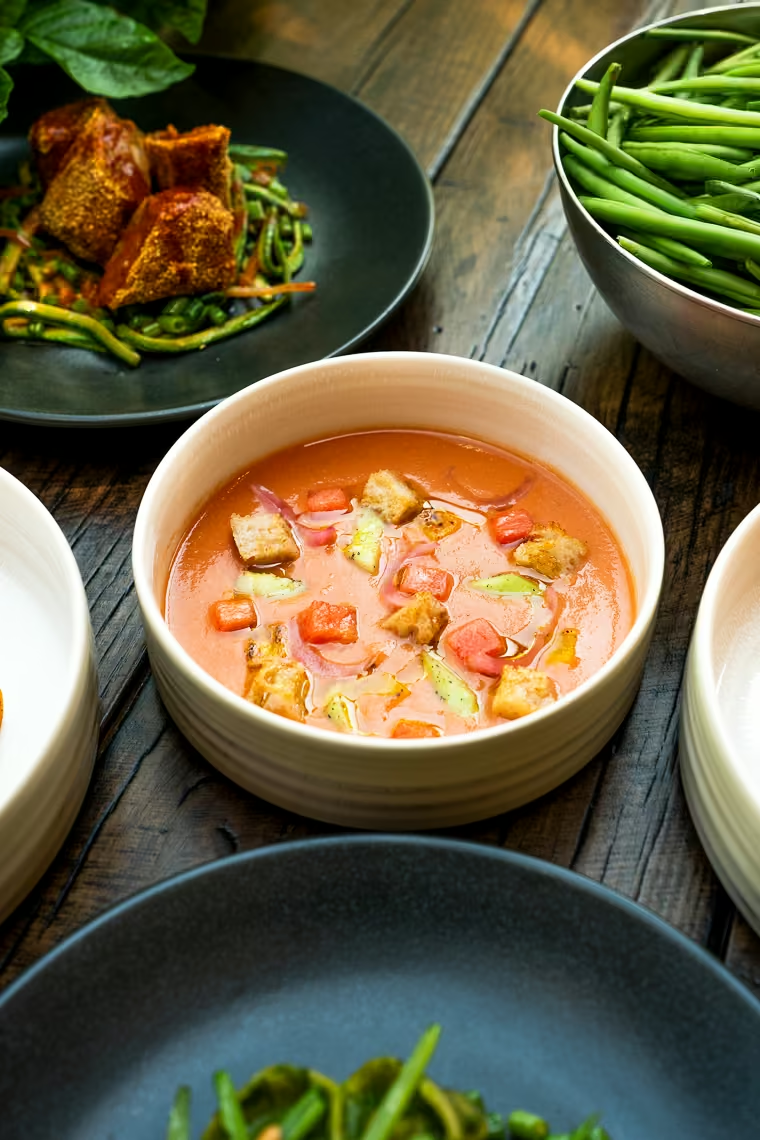
In the gardens, focus on seasonal vegetables, herbs, flowers and the relationship between planted beds and vegetation. Photograph what is growing during your visit rather than arranging or removing plants for a picture. The changing harvest is part of the estate’s connection to QB Cucina, where menus draw on garden ingredients and selected regional suppliers.
In the olive groves, look for filtered light and overlapping branches. In the vineyards, use repeating rows as leading lines, but include a foreground detail to create depth. Along forest paths, photograph patterns of shade, bark and foliage, remaining on permitted routes and allowing wildlife to go undisturbed.
Architectural details deserve attention too. A doorway framing the countryside, the texture of a fabric or daylight falling across a room can capture the atmosphere of your stay. Photograph interiors you are permitted to access, taking care to respect other guests’ privacy.
When Is the Best Time for Photographing One Belvedere Tuscany?
Early morning and late afternoon provide softer, more directional light than midday. These periods can help reveal the shape of vineyard rows, the texture of olive leaves and the contours of the surrounding hills. Conditions depend on the season, weather and the orientation of each scene.
Morning is for exploring gentle contrasts before the light becomes stronger. Late afternoon can bring warmer tones to stone, timber and vegetation. Neither period guarantees a photograph, so allow time to observe before choosing a composition.
Midday offers possibilities as well. Strong sunlight can produce graphic shadows beneath pergolas or beside architectural features. Instead of fighting the contrast, use it, keeping highlights controlled and simplifying the frame.
Seasonal changes matter as much as the hour. New growth, summer foliage, harvest activity and winter branches each reveal a different aspect of rural Tuscany. Let what you find during your visit guide your photographs rather than trying to recreate an image from another season.
How Can Photography Reflect the Estate's Philosophy?
One Belvedere Tuscany connects hospitality with farming, food, wine and experiences. Photography can reflect these relationships through observation rather than staging. A sequence of images might connect a vineyard detail with the cellar, or garden produce with a prepared vegetarian dish at QB Cucina.
Consider making a visual story instead of collecting unrelated photographs. Begin with a scene that establishes place, follow with close details and finish with an image that suggests human care or everyday activity. A vineyard photograph followed by a glass of Belvedere1 wine, for example, can connect the landscape with your visit. Seek permission before photographing staff, other guests or private spaces, and follow guidance around agricultural work and winery areas.
If you want to photograph the estate’s approach to caring for the land, ask the team to explain a practice you can observe. Understanding what you are looking at will help you capture it accurately and write a meaningful caption.
Photographing One Belvedere Tuscany during your stay is an invitation to observe its landscapes, working spaces and details with care. The strongest collection may combine a hillside view with the textures, seasonal changes and considered hospitality that distinguish the estate. Rather than trying to capture everything, choose images that explain what you noticed and why it mattered.
Explore One Belvedere Tuscany and plan a stay with time to discover its landscapes, food, wine and quieter corners through your own lens.
- Farm To Table, Sustainable Living
- Lifestyle, Sustainable Living