Olive Harvest 2026 at One Belvedere Tuscany
- Our Sustainable Farm (OSF)
Olive Harvest 2026 at One Belvedere Tuscany is now underway, bringing a familiar autumn activity into focus across the estate’s olive groves. Set in the Tuscan countryside between Florence and Siena, the property has approximately 1,300 olive trees representing five varieties: Leccino, Frantoio, Moraiolo, Pendolino and Maurino.
The estate’s established practice is to gather olives by hand and press them within 24 hours, with care for the fruit guiding each stage. As work continues this season, the harvest offers guests a closer understanding of how the landscape, agricultural decisions and local traditions contribute to the extra virgin olive oils produced here.
What Makes Olive Harvest 2026 at One Belvedere Tuscany Distinctive?
Every olive harvest takes place within the conditions of a particular growing year. Temperature, rainfall and the development of the fruit influence decisions about when to pick. Rather than following one fixed date, harvesting involves watching the olives and responding to their condition.
The grove forms part of One Belvedere Tuscany’s wider working estate, alongside vineyards, orchards, gardens and forest paths. Its five olive varieties are an important part of this agricultural setting. Their characteristics, together with harvest timing and milling, help shape each year’s production. During the ongoing harvest, the team’s attention remains on the olives gathered from the groves and the care taken at every stage.
For guests visiting during autumn, the ongoing harvest gives context to the olive trees they see across the property. Agricultural work takes priority, so anyone interested in observing activities should ask the estate team which areas are accessible and what may be happening during their stay. The changing pace of work offers visitors a glimpse into the seasonal character of Tuscany.
How Is the 2026 Olive Harvest Carried Out?
At One Belvedere Tuscany, olives are carefully harvested by hand, reflecting the estate’s commitment to traditional Tuscan farming practices. This approach allows for greater attention to the fruit and careful handling throughout the harvest. It also honours the region’s longstanding agricultural heritage, where the quality of an ingredient begins well before it reaches the table.
After picking, the olives are pressed within 24 hours, following the estate’s established practice. Prompt processing matters because freshly harvested olives are perishable. Keeping the interval short helps preserve freshness and aromas before extraction. This attention to timing continues the work begun in the grove, connecting careful handling with the production of extra virgin olive oil. For the team, harvesting and pressing are closely linked parts of one process.
How Are the Olive Groves Managed Throughout the Year?
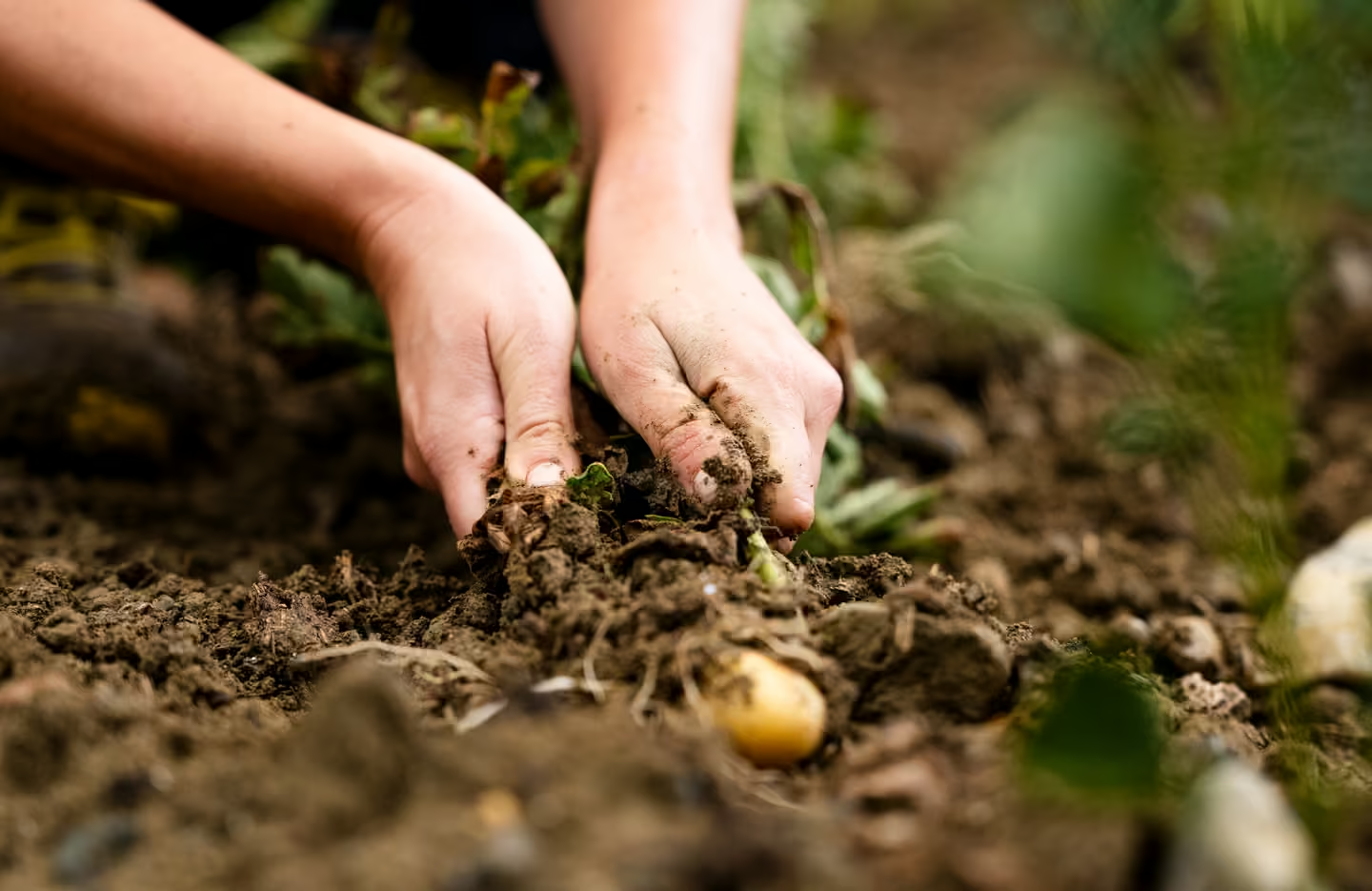
The work visible in autumn is supported by decisions made across the seasons. At One Belvedere Tuscany, the olive groves remain grassed year-round, and green manures are sown in autumn. Instead of keeping the ground entirely bare, this approach maintains managed vegetation among the trees. The estate also describes a mix of plants within these areas.
These practices form part of the estate’s approach to regenerative agriculture. Grassed ground and autumn green manures are specific ways of managing vegetation around the olive trees. They sit within a wider commitment to careful land management, alongside documented practices such as composting and water conservation across relevant areas of the property.
Understanding this longer cycle adds meaning to the current activity. Harvesting may be the most visible stage, but maintaining the groves, observing seasonal conditions and caring for the fruit all matter to olive oil production. The same attention to agricultural detail runs through the estate’s relationship with food and hospitality.
What Will Olive Harvest 2026 Mean for Amaya and Alya?
One Belvedere Tuscany produces two extra virgin olive oils, Amaya and Alya. Amaya brings together estate-grown olive varieties, while Alya is identified in the estate’s materials as Chianti Classico DOP olive oil associated with some of its oldest trees. Together, they reflect the importance of the groves within the estate’s agricultural identity.
As the 2026 olive harvest continues, the freshly gathered olives will become part of the estate’s extra virgin olive oil production, carrying forward a longstanding Tuscan agricultural tradition. Each stage reflects the care and attention given to the olives, from the groves to the finished oils, Amaya and Alya.
Guests can discover more about the estate’s olive-growing heritage through guided experiences that include extra virgin olive oil tastings alongside Belvedere1 wines. At QB Cucina, seasonal vegetarian cuisine further reflects the connection between the land and the table.
Olive Harvest 2026 at One Belvedere Tuscany brings a longstanding agricultural tradition into the present. From year-round grove care to hand harvesting and prompt pressing, every stage helps explain the estate’s connection between agriculture, food and Tuscan hospitality.
Experience the connection between our olive groves and Tuscan traditions through Amaya and Alya, our estate’s extra virgin olive oils. Explore our guided olive oil tastings and discover the care, craftsmanship and agricultural heritage behind each bottle.