
Raccolta dell’acqua piovana e irrigazione a goccia al One Belvedere Tuscany
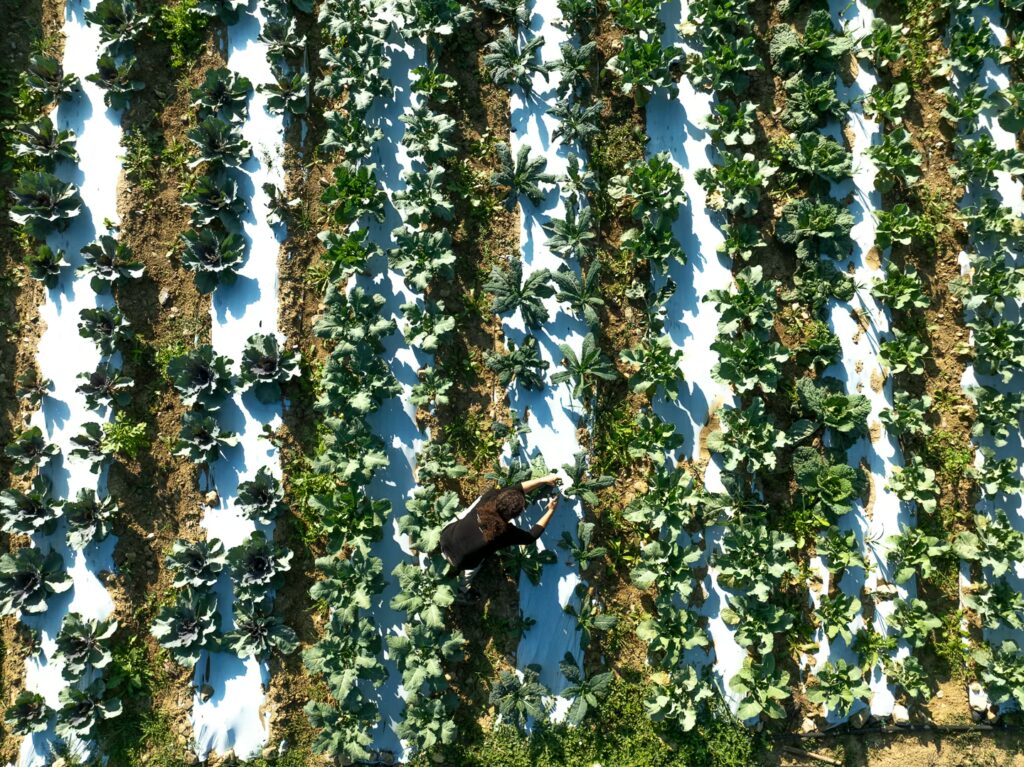
A One Belvedere Tuscany, la raccolta delle acque piovane e l’irrigazione a goccia fanno parte di un approccio pratico alla gestione dell’acqua nell’intero complesso. Le acque piovane vengono raccolte per un uso opportuno, mentre l’irrigazione a goccia riduce l’utilizzo di acqua e sostiene le coltivazioni e i giardini applicando l’acqua con cura e vicino alle piante necessarie. I vigneti già presenti sono stati gestiti senza irrigazione durante il 2025 […]
Giornata Internazionale per la Sensibilizzazione alla Perdita e allo Spargimento di Cibi: la prospettiva di Tavola Le Piazze e QB Cucina
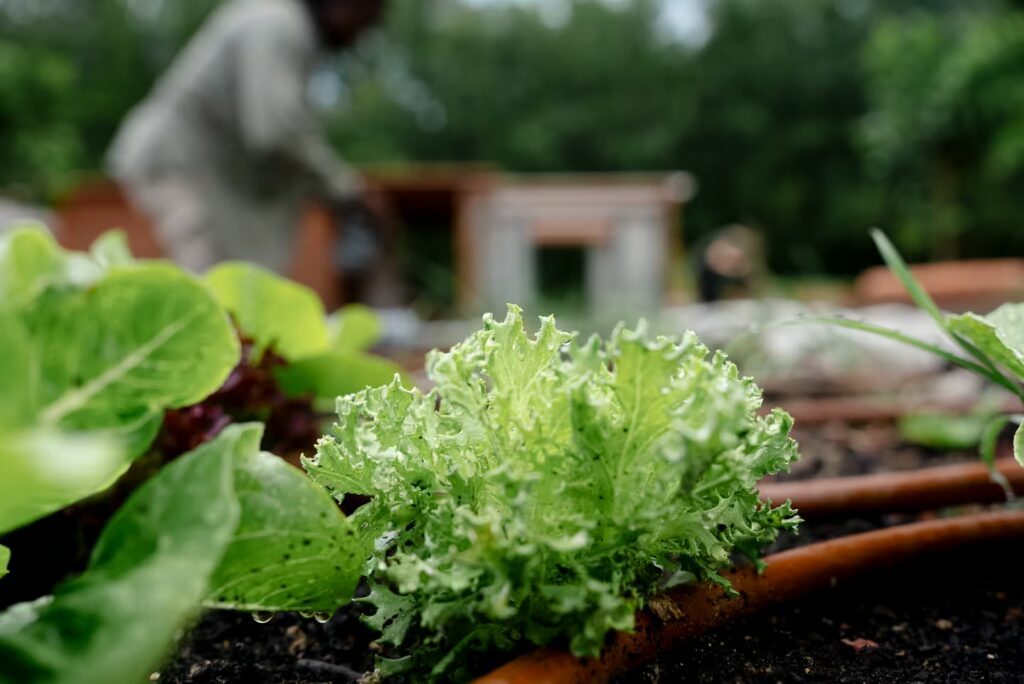
International Day of Awareness of Food Loss and Waste, observed on 29 September, calls attention to a major challenge within today’s food systems. At Tavola Le Piazze and QB Cucina, reducing waste begins with a simple principle: respect ingredients, seasonality, local producers, and the land that makes every meal possible. At QB Cucina, this approach […]
Dal seme alla raccolta: il ciclo vitale di un pomodoro nel nostro orto
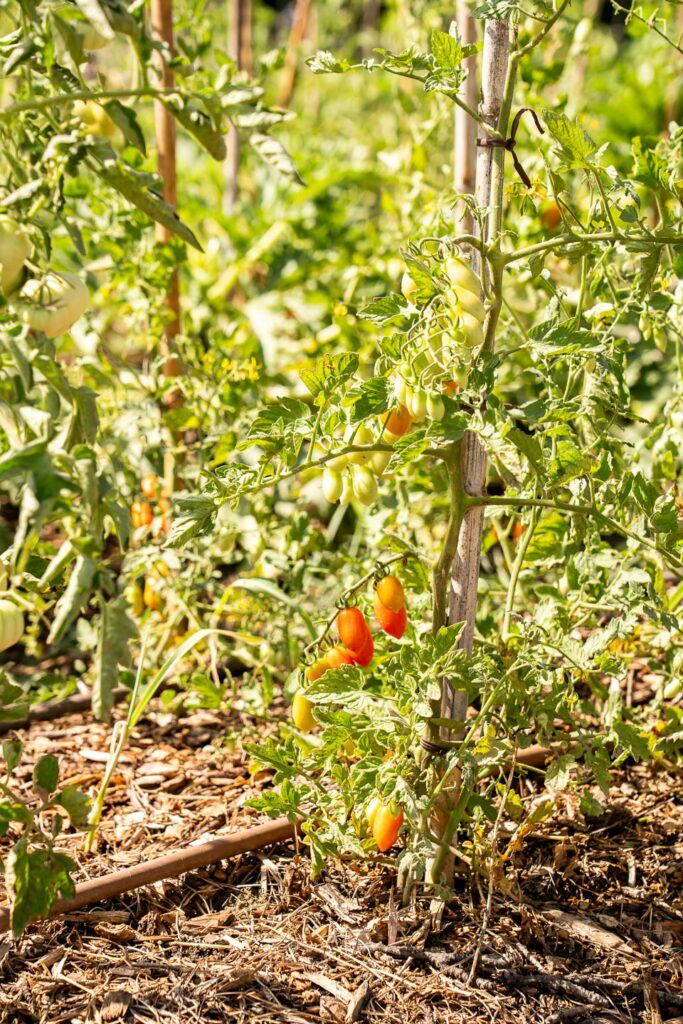
The lifecycle of a tomato begins with a seed. At One Belvedere Tuscany, that journey belongs to a wider relationship between soil, season, biodiversity, water and food. Tomatoes grow within our estate gardens, where the garden connects cultivation directly with the seasonal approach of QB Cucina. From germination to flowering, fruit set and harvest, every […]
One Belvedere Tuscany And Locanda Le Piazze: un nuovo standard per il viaggio eco-sostenibile
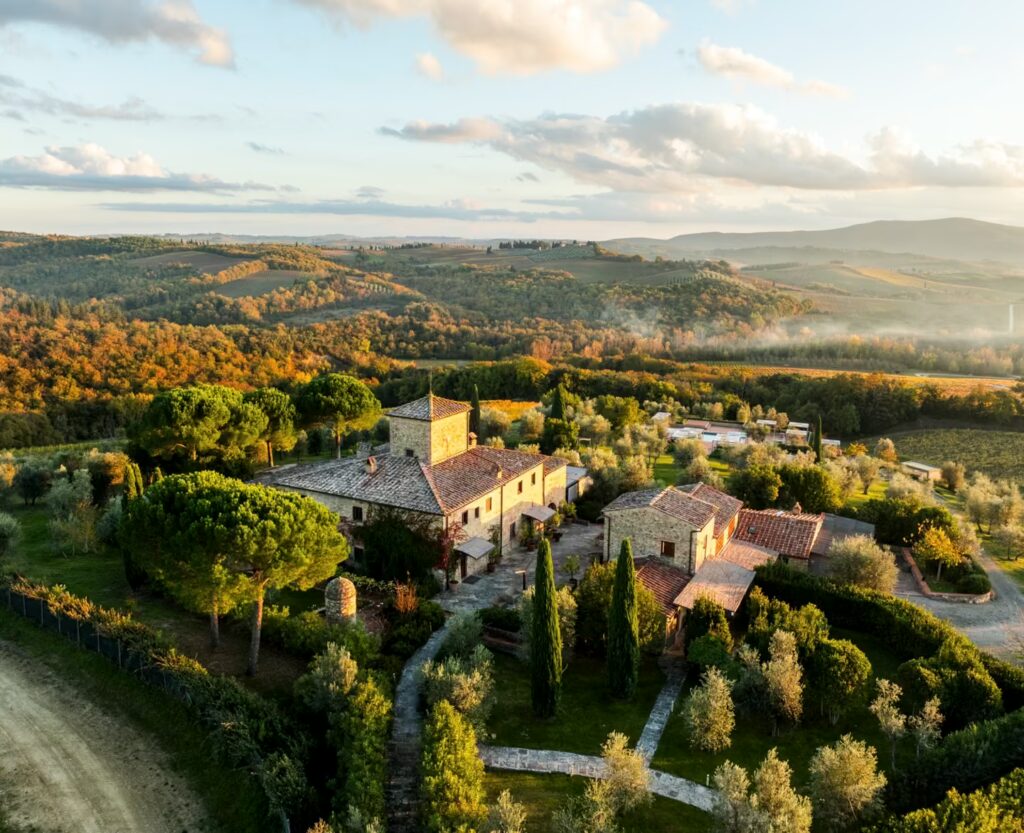
Eco-conscious travel in Tuscany is evolving beyond simple promises. At One Belvedere Tuscany and Locanda Le Piazze, sustainability is integrated into hospitality through documented vineyard practices at Belvedere1 Winery, mindful gastronomy, responsible design, measurable environmental practices, and a shared commitment to the land. Together, the two properties offer travelers a refined way to experience Tuscany […]
Dal campo alla tavola: qual è la differenza e perché è importante?
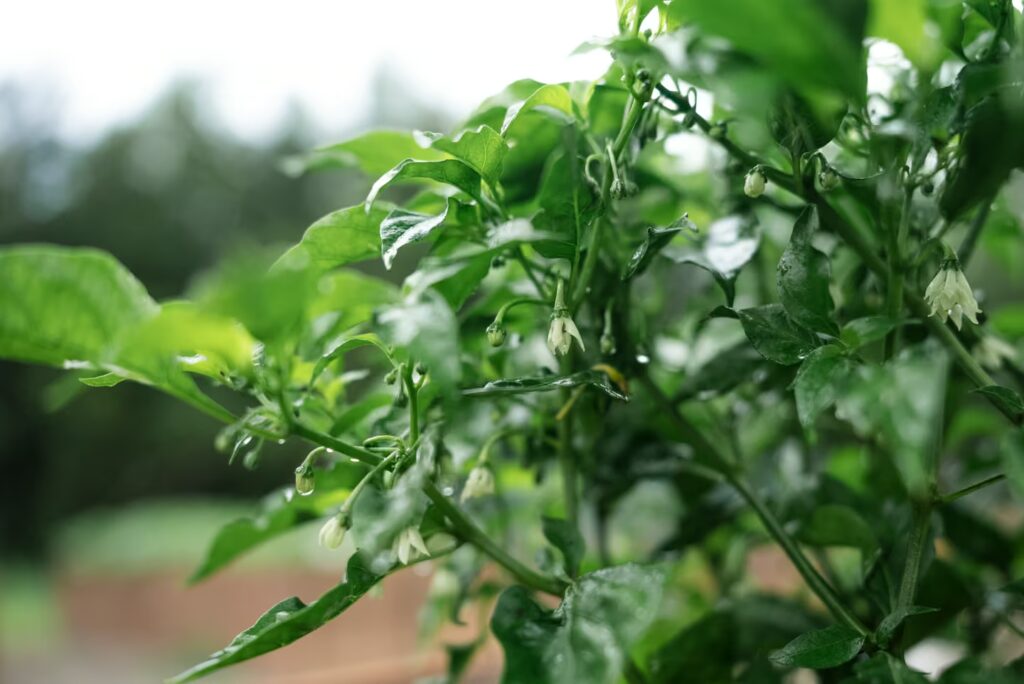
Farm-to-table e farm-to-fork descrivono due modi correlati di connettere il cibo con il luogo in cui viene coltivato. Farm-to-table si concentra solitamente sui ristoranti e sull'ospitalità, dove gli ingredienti passano direttamente dalle fattorie alle cucine e ai tavoli da pranzo. Farm-to-fork è più ampio. Può descrivere l'intero percorso del cibo, inclusi agricoltura, lavorazione, trasporto, vendita al dettaglio, preparazione e consumo. In pratica, […]
Perché un terreno sano produce cibo migliore, vino migliore e ospitalità migliore
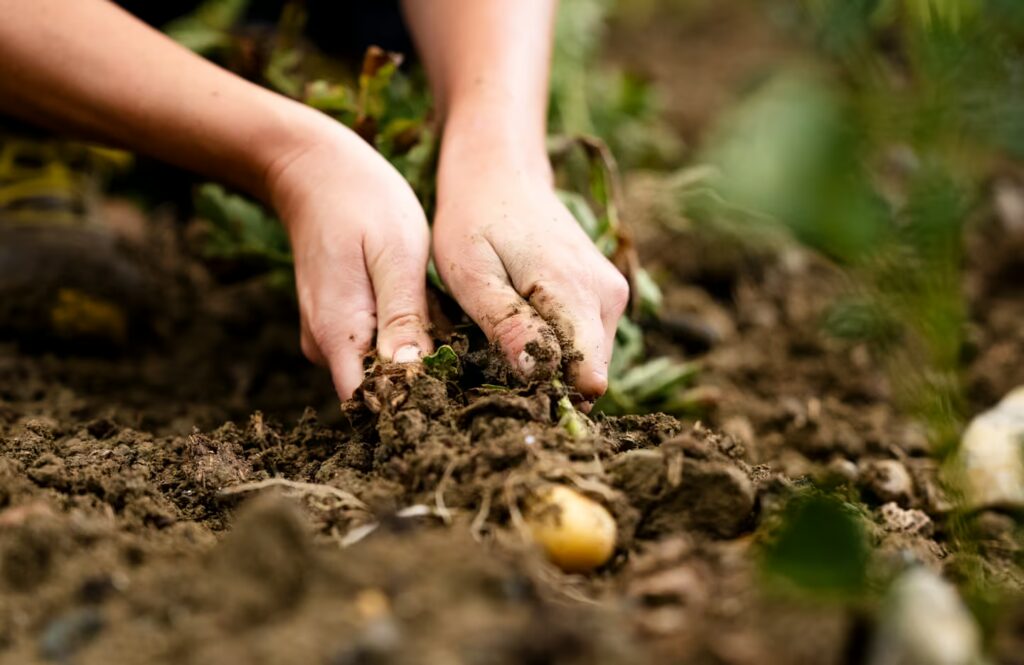
Healthy soil is the foundation of better food, better wine and more responsible hospitality. At One Belvedere Tuscany, caring for the land connects what grows in the kitchen garden, how the vineyards express their terroir, and how guests experience the estate. Across the estate, agricultural activities form part of the guest experience, while Belvedere1 Winery’s […]
Perché le api sono importanti per la vita a One Belvedere Tuscany
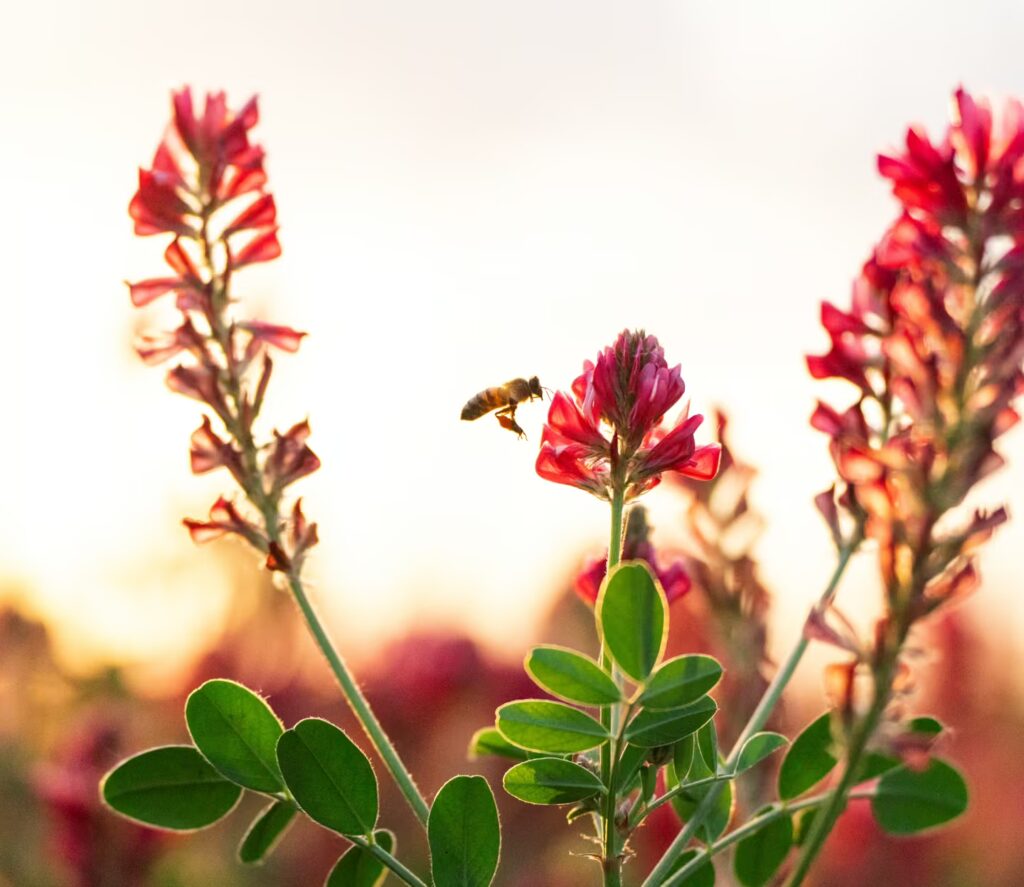
At One Belvedere Tuscany, bees matter because they support pollination, biodiversity, food production and the wider health of the estate. Across an estate shaped by vineyards, olive groves, orchards, vegetable gardens and forest, pollinators help connect cultivated areas with the surrounding ecosystem. Their work supports flowering plants and contributes to the seasonal ingredients that give […]
Cosa cresce nel giardino della cucina di QB Cucina questo agosto?
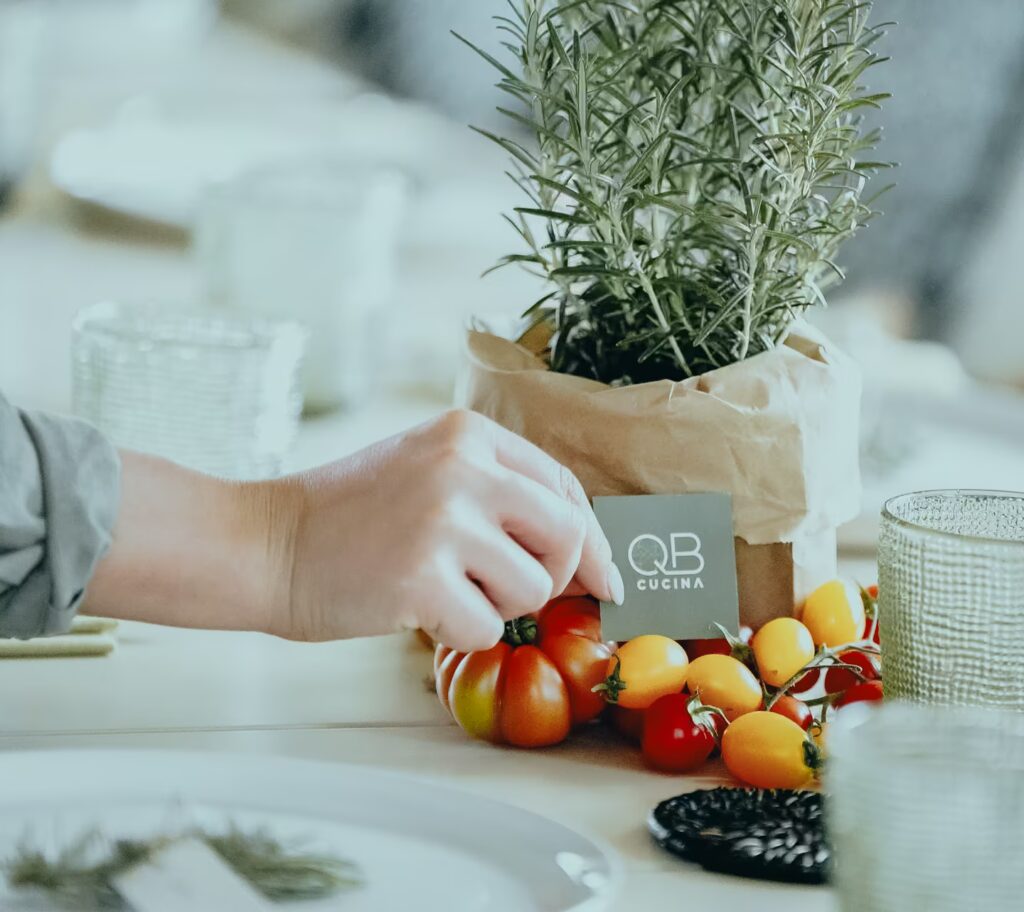
August at One Belvedere Tuscany brings QB Cucina’s kitchen garden this August into focus as part of the restaurant’s seasonal approach. Rather than following a fixed crop list, the kitchen works with ingredients as they become ready to harvest, complemented by ingredients from selected suppliers. This garden-to-table connection allows Chef Federico Viti and his team […]
Perché il turismo sostenibile e lusso in Toscana è il futuro del turismo
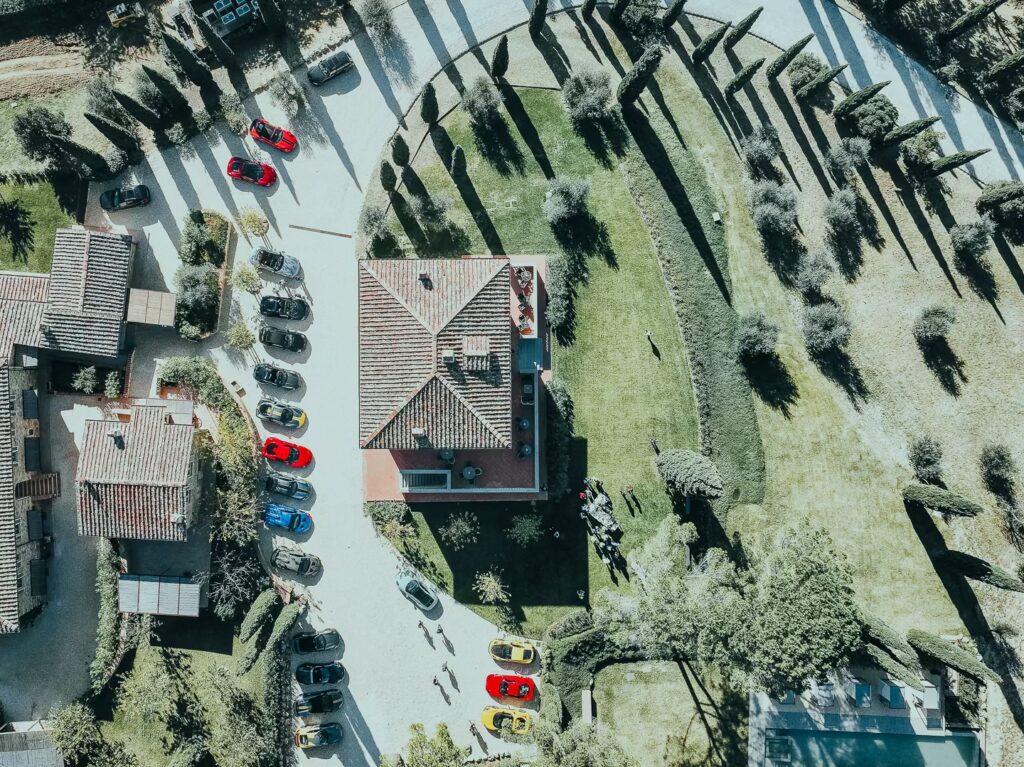
Tuscany attracts travellers through its landscapes, food, wine, craftsmanship, and measured pace. Its next chapter is shaped by sustainable luxury travel in Tuscany, an approach that combines refined hospitality with meaningful environmental responsibility. Rather than asking guests to choose between comfort and conscience, this model brings both together through thoughtful design, responsible resource use, seasonal […]
La storia dell’olio extravergine d’oliva in ogni cucina italiana

L'olio d'oliva extravergine è molto più che un ingrediente per la cottura in Italia. Gli italiani lo utilizzano per condire le verdure, condire le insalate, arricchire le zuppe, insaporire il pane e rendere equilibrato i piatti semplici. La sua importanza inizia nel frantoio, dove le varietà di olive, i suoli, il clima, la raccolta e la lavorazione accurata determinano il sapore finale. Offiziamente, l'olio d'oliva extravergine è […]